Flood for All?
By: Alex Soto
Here is a radical idea: perhaps it is time we consider putting the peril of flood in the homeowners policy.
Consider this: practically all Floridians would be surprised to learn that their homeowners policy—everyone’s policy—includes protection from a peril known as “weight of ice, snow or sleet.” Those of you who remember studying the different forms of the homeowners program know this. Specifically, you will recall that the HO-1 covers only Basic Perils—Fire, Extended Coverage, Vandalism and Malicious Mischief. The HO-2 adds the Broad Form perils, a collection of nine additional perils including “Weight of Ice.” The HO-3 expands coverages even more by making the policy “all risk.” If you are really old, you will remember these contracts as: The Basic, The Broad and The Special forms.
Thus, anyone who has an HO-2 or better has the peril of weight of ice included. This is the case with the overwhelming majority of Americans who own a home and buy insurance to protect it.
Think about what this means for Miamians and, for that matter, all Floridians. It not only has to snow in Miami —which it did in 1977 when two snowflakes hit the ground and immediately melted—but it has to snow with such ferocity that the weight of the snow accumulating on a rooftop causes the roof to collapse. I suspect that not until the next Ice Age, when the woolly mammoths return to South Beach, will any of us be able to collect for such a loss under our homeowners policy. By the way, down here, we do not even know what sleet is. We have never seen it, just heard about it from our relatives up North.
So, what do Floridians pay for such an important coverage? My guess is that we either pay nothing or no more than a nickel. I also suspect that as you move up in latitudes in this country, that nickel becomes a few dollars. Perhaps this peril is not inconsequential in Bismarck, N.D., or Nome, Alaska. In other words, there is an actuary gradation of the premium commensurate with the exposure.
Now we come to the peril of flood. Perhaps it is time to consider putting this peril in the homeowners policy. Before company executives faint, I am not suggesting that private companies bear the risk. Instead I am suggesting that the National Flood Insurance Program remain in place. The federal government would continue to bear the risk. However, private insurance companies would include the peril in their homeowners policies, agents would get a commission on the total policy premium and the companies would be reimbursed or pre-funded for flood losses plus paid a fee for adjusting claims. This way everyone would have flood insurance just like everyone now has “weight of ice.” Those who live nowhere near a body of water, a floodplain or an area subject to inundation would pay nothing or practically nothing. To those individuals, flood insurance would be akin to “weight of ice” to South Floridians. Those of us who live near the coast would pay the actuarially appropriate, unsubsidized premium. Everyone between these two extremes would pay commensurate with their own particular risk.
As with any idea, there are pluses and minuses. First, the pluses: Everyone would have flood insurance. This would eliminate all the consternation over the fact that people who need flood insurance didn’t have it, thought they had it and allegedly were not offered or told that their homeowners policy did not cover flood. This would forcibly create a universal pre-loss funding mechanism rather than post-disaster funding by FEMA and taxpayers’ deficit dollars. Another benefit is that it would eliminate handling, processing, billing and delivering a separate flood policy. And, having one adjuster handle both the wind and the flood loss has the obvious benefit of coordination and expediency.
There are downsides: Insurance companies are not eager to accept the burden of adjusting flood claims—even if they’re paid a fair price. Homeowners who carry no flood insurance but live in flood-prone areas will find their premiums going up. Finally, as agents, we could be paid the same commission rate that we earn on the homeowners policy, which could be a lower percentage than a stand alone flood policy. But there would definitely be more homeowners premium in your agency. Of course, these details would have to be sorted out and decided if the NFIP policy were integrated with the homeowners policy, but agents would clearly only need to handle one policy instead of two.
While all this sounds a bit radical, I truly believe we should engage in a national dialogue about how we handle natural disasters in this country. A good starting point is discussing flood insurance.
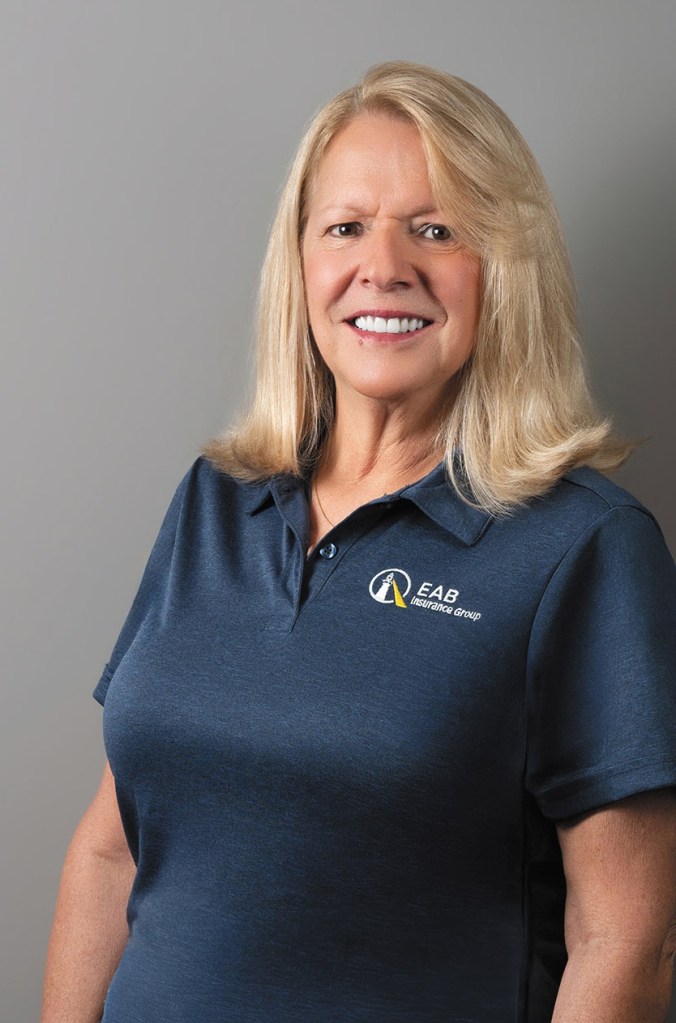
Alex Soto
President
This month’s issue

The September issue is out now!