How a Common Leadership Language Improves Efficiency

By Dr. Wendi Walker-Schmidt
In industries such as insurance, where organizations vary in size, structure and specialty, ensuring a consistent leadership approach to culture is vital to business success. Research from the Journal of Organizational Change Management and Gallup found that organizational culture typically breaks down once an organization reaches 2,000 employees, due to a shift from personal connection to more systematic processes.
In large organizations, culture is no longer led by the CEO or upper management but by numerous individuals in middle management, which can create inconsistency in leadership.

2026 Big “I” Legislative Conference
April 22-24 Washington D.c.
Independent agents operate in two distinct worlds: in their agency offices and in the field with clients. From a leadership development perspective, the corporate world has a shared language, often centered around strength-based coaching, professional development planning and feedback conversations. It is important that this often-insular world, with its unique language and conceptual framework, also extends to clients.
When agents have a clear connection between these worlds through a shared language, it enables stronger feedback channels, especially across different customer bases. It also reduces misunderstandings and minimizes confusion both internally and externally, empowering agents to better address the unique complexities of determining the optimal product fit for their policyholders while maintaining clarity and trust consistent with broader agency and carrier goals.
Language breakdowns among independent agents tend to occur when there is inconsistency in how a common language is applied. If independent agents are not aligned in how they speak about policies, products or leadership expectations, it creates a breakdown in language, both internally with team members and externally with clients.
Additionally, independent agents need confidence that, when they use a shared language, leadership will listen and respond with the resources and solutions best suited to the situation.
To create this common language themselves, independent agents don’t need large-scale corporate programs. All it takes is to initiate an honest conversation about where gaps exist. By reviewing, you can identify alignment issues and conduct your own leadership assessment.
As the world continues to change, leaders will be challenged to balance innovation with empathy. For independent agents, this challenge is especially salient, as their work is rooted in trust.
More From the April Issue
However, by creating a common leadership language, agents can not only build stronger relationships with clients but also communicate more effectively within their agencies and with their carriers about market needs, secure the necessary resources to succeed and deliver better experiences for their teams and the clients they serve.
A shared leadership language becomes a strategic advantage, reinforcing accountability, strengthening collaboration and anchoring decision-making in purpose rather than process. When everyone is speaking from the same playbook, organizations move faster, adapt more effectively and build cultures resilient enough to thrive amid constant industry change.
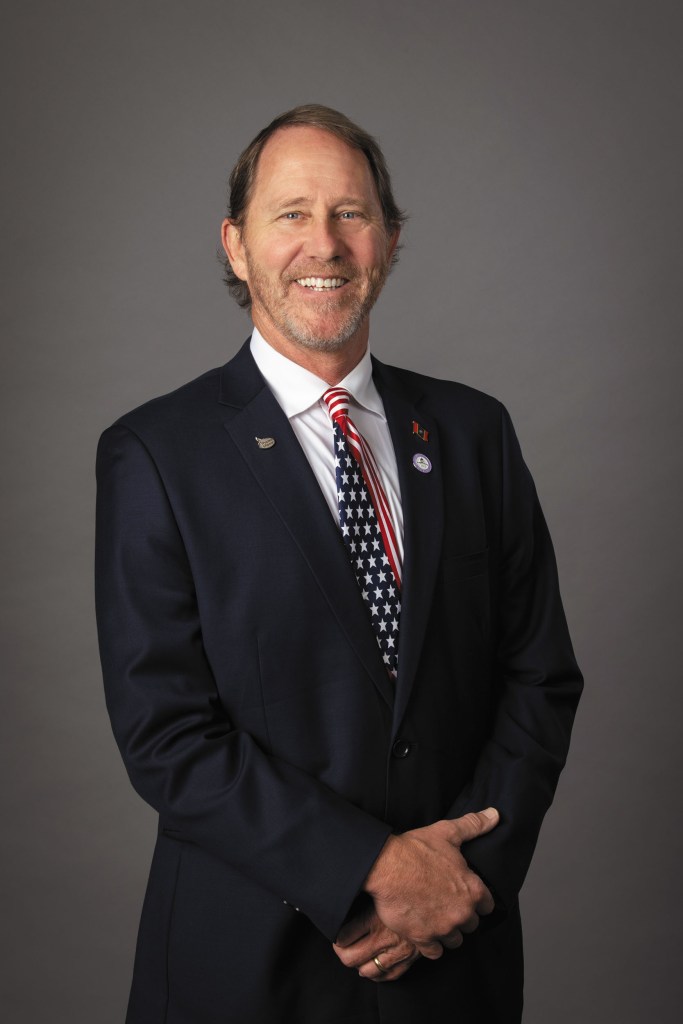
Dr. Wendi Walker-Schmidt is assistant vice president of learning and organizational development at National Life Group.
Categories
Agency Management Solutions
This month’s issue
The April issue is out now!