Creating Healthy Boundaries to Deliver Better Client Service

By Terri Krueger
Early in my career, there was an unspoken expectation that to succeed as an advisor, you needed to work long hours and always be available to clients, no matter the time or place.
This level of intensity is sometimes necessary in the beginning, but it’s not sustainable. Without clear boundaries, burnout becomes inevitable. I’ve come to understand why it’s essential to create and maintain healthy boundaries. These clear expectations not only support my well-being but also enhance my client service.
Here are three tips to create healthy client service boundaries:
1) Set expectations early. One of the most effective ways to build strong client relationships is by clearly communicating how and when clients can reach you. Instead of feeling pressure to respond to every call, text or email immediately, encourage clients to schedule meetings in advance. Use your onboarding process to outline your availability and set clear expectations for communication. Create a system for handling urgent needs and route all other inquiries through a structured, managed process.
More From The March Issue



Setting expectations early prevents misunderstandings and increases your clients’ confidence in both you and your workflow. When framed as a “client-first” approach, it reinforces that structured communication allows you to be fully present and focused when it matters most. That consistency creates a service experience that feels both professional and personal.
Today, many clients have a better understanding that working with their advisor, like working with a doctor or attorney, means respecting availability and scheduling time accordingly. This cultural shift makes it easier to protect your time while continuing to deliver a high level of service.
2) Enhance boundaries and flexibility with digital tools. Technology plays a key role in helping advisors set and maintain boundaries without compromising service. Embracing digital tools has enabled me to work from anywhere while staying accessible in a way that feels structured and intentional. Paperless workflows and virtual meetings support seamless service across locations without requiring you to be constantly available.
The pandemic normalized virtual meetings, making most clients more comfortable with remote communication. Scheduling platforms like OnceHub or ScheduleOnce make it easy for clients to book time during set hours. For example, I reserve Friday afternoons for administrative work or personal time and no longer take weekend meetings unless it’s a true emergency.
3) Boundaries make room for authentic connection. Boundaries are not barriers; they make it possible to show up as your best self in every client interaction. By protecting our time and focus, we can be more engaged, thoughtful and present. That quality of attention is what builds long-term trust.

Dan Fulwider Award for Community Service
In a profession dedicated to people’s life goals and financial well-being, the work is often so personal that clients become friends. Boundaries can strengthen those connections, creating space for genuine care and compassion. I focus on small, thoughtful touches, like keeping snacks in my office for in-person meetings or sharing my vacation plans in my out-of-office messages. When true emergencies arise, such as the loss of a loved one, being present in those key moments matters far more than being constantly available.
The goal isn’t to be less available, but to be more intentional about when and how you show up. Clients value dependability more than around-the-clock access. Setting the right expectations helps you strengthen relationships and create room for a more sustainable, fulfilling career.
Terri Krueger is owner and senior advisor at Krueger Advisors LLC and serves as senior advisor at Orla Wealth Management LLC. Krueger is an 11-year MDRT member, with three Top of the Table and seven Court of the Table qualifications.
Agency Management Solutions
Categories
This month’s issue
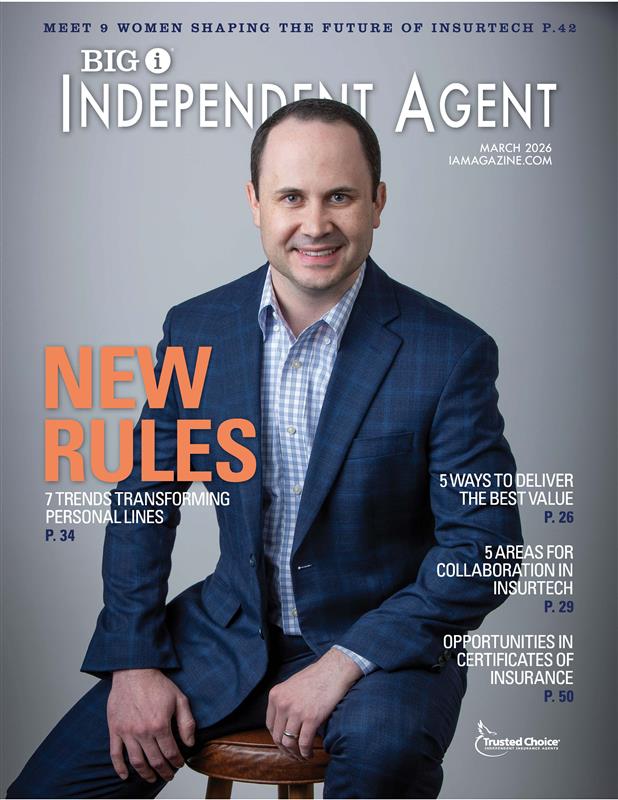
The March issue is out now!