Winter Storms Are Testing Homes and Elevating the Role of Independent Agents
By Andrew Leeds
This winter has been a reminder that severe cold weather is no longer confined to a single region or a single extreme event. From ice storms across the Northeast and Midwest to deep freezes in the South, winter weather is affecting homeowners across the country.
Winter Storm Fern is a recent example. The system delivered prolonged cold, heavy ice and snow across large portions of the country and is expected to generate insured losses in the billions of dollars, according to AccuWeather. It affected more than 220 million people across at least 34 states and left widespread power outages.

Take the 2026 Agency Universe Study Survey
While not every storm reaches this level, Fern highlighted how quickly winter risks can escalate when cold, ice and infrastructure strain overlap.
For independent insurance agents, storms like Fern underscore the increasing severity of winter-related risk. Winter losses are increasingly widespread and often preventable, making agent guidance more important than ever.
Widespread Storms Create Compounding Risks
One characteristic that sets recent winter storms apart is their scale. Fern blanketed huge swaths of the country with snow, ice and bitter cold, and in many areas the effects lingered far longer than expected, even after the storm had moved on. At the height of the storm, 800,000 U.S. households lost power as ice accumulated on trees and power lines. Airlines canceled more than 11,000 flights, disrupting travel and complicating additional living expense situations for affected households, according to FlightAware.
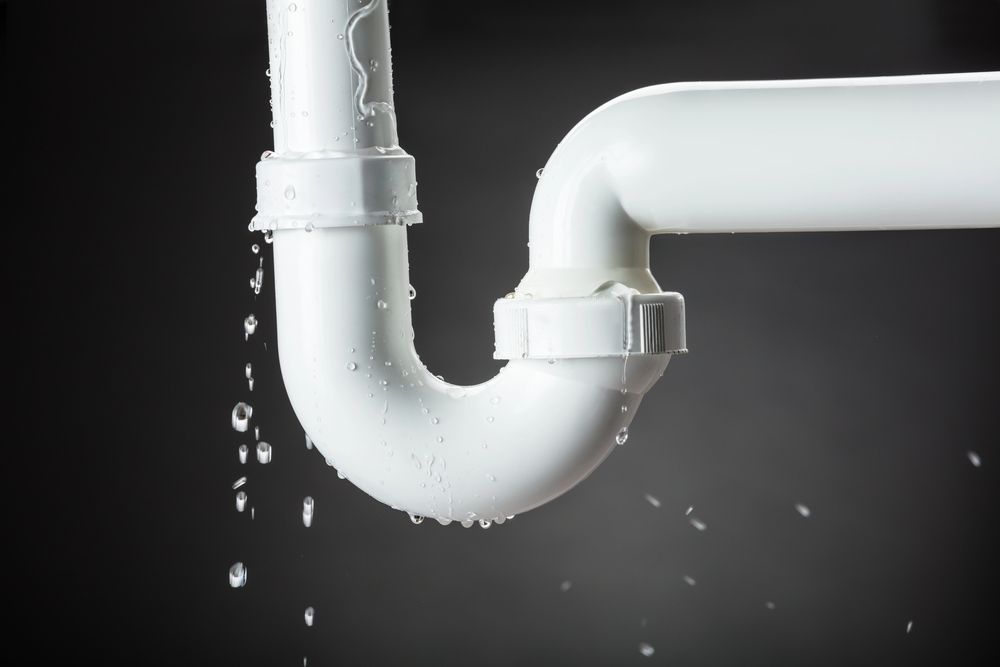
When power outages happen during a cold snap, things can get tricky. Losing heat can cause pipes to freeze and lead to water damage, which is costly for people who have been forced to leave their homes and can trigger significant repair costs that many homeowners aren’t prepared for.
Frozen and Burst Pipes Remain a Leading Winter Exposure
Across all regions, frozen and burst pipes are among the most common winter-weather claims. Although they occur in traditionally cold climates, homes and infrastructure less accustomed to prolonged freezing temperatures are not exempt.
Wherever a home is located, basic prevention measures matter. Homeowners should keep indoor temperatures at or above 55 degrees, even when traveling, and take additional steps during severe weather, like letting faucets drip, opening cabinet doors, and checking thermostat batteries.
Beyond traditional homes, seasonal or vacant properties require extra attention, such as making sure water systems are properly drained to reduce the risk of frozen or burst pipes. If a pipe freezes, shutting off the main water supply and contacting a licensed plumber is critical. Improper thawing can cause pipes to burst, leading to extensive water damage.
More on Disaster preparedness


Most homeowners’ insurance policies cover damage from burst pipes, but coverage is not automatic in every scenario. Claims may be denied if the heat was turned off or if reasonable precautions were not taken. Independent agents can help homeowners understand these conditions and assess whether endorsements, such as service line coverage or water backup protection, are appropriate for their location and risk profile.
Ice and Snow Create Roof and Structural Concerns
Ice buildup and heavy snow loads have been major drivers of winter losses, and many agents are seeing the impact quickly manifest in claims. During an ice storm, the damage is often about weight. Ice can snap tree limbs, put added stress on roofs and in some cases lead to structural issues. One of the early things to flag for clients is heavy icicles or ice buildup along rooflines, which can signal that ice dams are forming.
Ice dams develop when warm air escaping from the home melts snow on the roof and that water refreezes at the eaves. Over time, the ice builds up and water can back up under shingles, finding its way into insulation, ceilings, and walls. This is not just an issue in Northern states. Homes in transitional climates are often less equipped for these conditions, which can make losses more severe.
Agents can make a real difference on the prevention side by reminding homeowners of some basic but effective steps. That includes cleaning gutters before winter, making sure attics are properly insulated and ventilated, removing snow from roof edges when it is safe to do so, and relying on qualified professionals for any work that poses safety risks.
When it comes to coverage, ice dam losses often come down to policy language and the specific cause of damage. Reviewing coverage with clients before severe weather hits helps set expectations early and can go a long way toward reducing confusion or disputes if a claim arises.
Preparation Is Important but Coverage Readiness Is Critical
Ideally, winter preparation begins before the first freeze, but risk reduction can happen at any point in the season. Heating system inspections, chimney cleaning and generator testing help prevent failures during extreme cold. Exterior maintenance, such as insulating exposed pipes, trimming tree limbs near roofs, sealing drafts and cleaning gutters, also reduces winter-related damage.
More on Homeowners

Even with strong preparation, winter storms can still cause losses. That makes insurance readiness just as important as physical maintenance.
Many homeowners do not fully understand their coverage, which can lead to frustration when filing claims. Independent agents play a critical role in closing that gap by reviewing policies, confirming dwelling limits, evaluating liability exposure and identifying optional protections that align with regional and property-specific risks. Equipment breakdown coverage for heating systems, endorsements for detached structures, and adjusted personal property limits are all worth discussing.
Winter storms like Fern demonstrate that cold-weather risk is no longer isolated to one part of the country. It is widespread, recurring and increasingly complex. The good news is that some of this risk is manageable.
By combining practical loss-prevention guidance with proactive coverage reviews, independent agents can help homeowners reduce claims, avoid coverage gaps, and navigate winter weather with greater confidence. As winter risks continue to evolve, the agent’s role as educator and advisor has never been more valuable.
Andrew Leeds is chief claims officer at Plymouth Rock Home Assurance.
Agency Management Solutions
Insurance Markets
This month’s issue

The March issue is out now!