Declaration of Independents: Susan Erickson
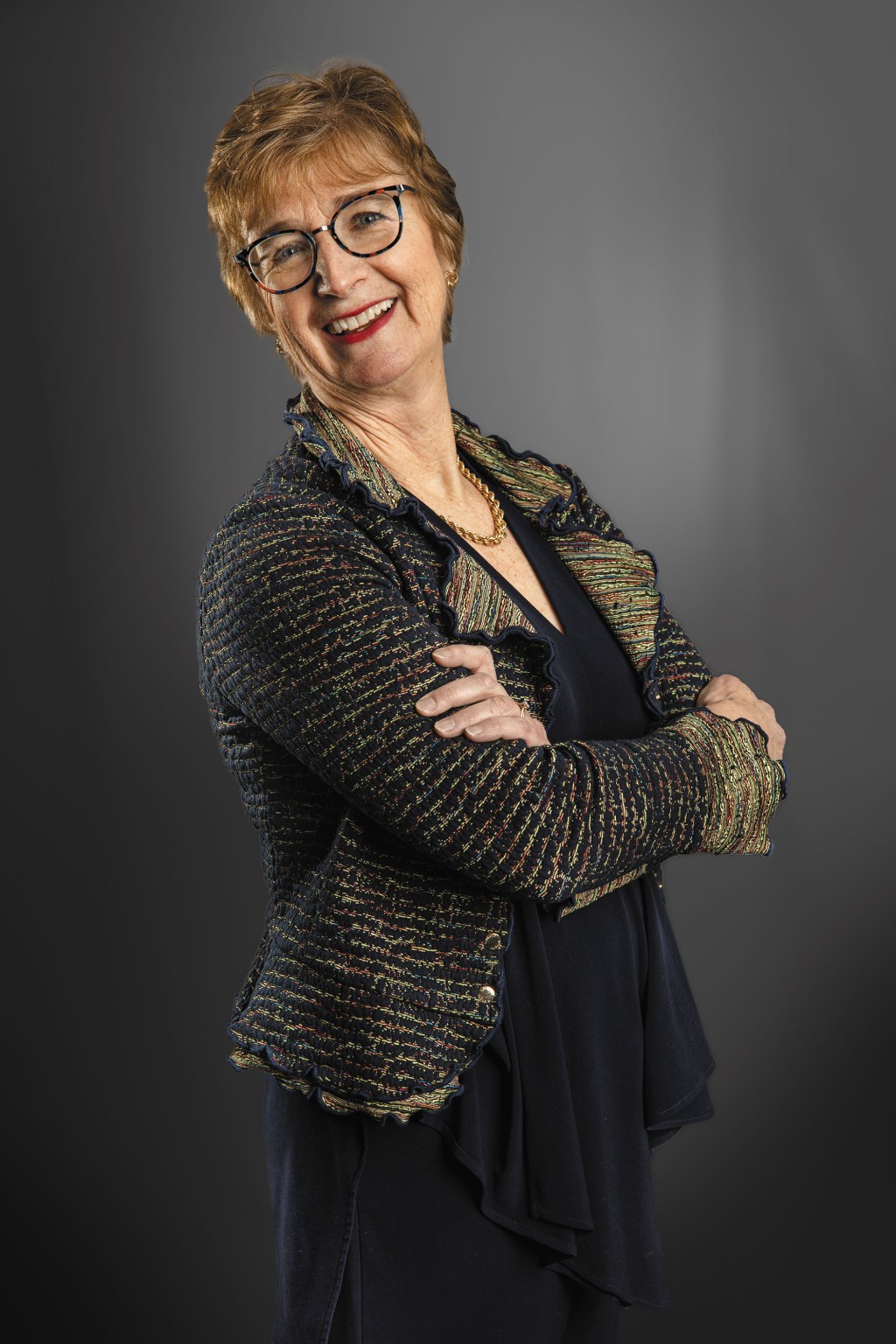
Susan Erickson
Agency Owner
P-W Insurance
Petersburg, Alaska
Before Susan Erickson took over the helm of her agency, she was busy weathering the waves of another industry—literally. Her husband, Jeff, is a commercial fisherman, and she served as his deckhand for seven years before they had kids and she bought the insurance agency she worked for.
“I worked at the insurance office but was fishing spring and summer and loved it—I learned a lot,” she said. “Commercial fishing is kind of like running an agency. Your crew is critical, you’ve got busy months and time off and you’ve got to be out there doing your best in spite of waves or headwinds.”
Erickson now captains her agency and its team, who serve their rural coastal community in meeting the challenges and opportunities of the Alaskan panhandle.
Alaskan insurance landscape?
It’s a huge state geographically, but with very little population. Because of that, we have very few markets up here. It’s just too expensive for carriers to get involved here for the potential return. Right now, property markets are constricting. That’s a serious issue within the state because, as you lose capacity in a property market, that affects the overall economy in the state.
Opportunities in Alaska?
The geography is an opportunity because your reputation goes a long way. And if your office goes the extra mile for people, then the news spreads and you’ve got clients all over the state.
Agency culture?
Everyone knows that as we grow individually—professionally and personally—the byproduct is that agency growth is going to happen. Everyone in the office has a voice and a place. We make sure that everyone has the same vision of a client-forward experience and goes the extra mile for people.
More From the February Issue



How did you get into the insurance industry?
I’m the third generation in insurance, but the last thing I ever thought I’d do was work in insurance. I grew up in Detroit and worked at my dad’s insurance office as a senior in high school. I hated every minute of it. I went to college, and then that first summer of college had the opportunity to go to Alaska to work in a fish cannery. I loved it. I met this guy—Jeff—and fell in love, graduated from college and ultimately ended up getting married and moving to Alaska. The only job in town available was at an insurance office. I started to work there and never left.
What won you over?
I studied political science and pre-law in college. Insurance is similar. I liked reading the contract and explaining to people how it worked and protected them. I felt empowered by being able to share information about the industry and why insurance is necessary. I worked for someone else for 12 years, and when she retired and I bought the business from her and have never looked back.
Tell me about your commercial fishing experience and the overlap with running an agency?
I grew up in a maritime environment in Detroit. My grandpa, dad and brothers all worked on the Great Lakes before ultimately getting into insurance. In this community in Alaska, family fishing operations are very common. When Jeff got involved and he needed a deckhand, he asked me. I fished from 1989 to 1997. I love being out on the water and the camaraderie of the fishing community. We gill-netted for herring and fished for Dungeness crab.

Take the 2026 Agency Universe Study Survey
Challenges of running a rural agency?
A lot of these new, fresh industry ideas are more designed for urban and larger agents, and they just don’t fit us. Our carrier partners are wonderful, but there aren’t a lot of them. And when they bring in new people or new claims staff, there’s a whole new educational piece and we have to start all over again explaining how Alaska works.
How would you describe your agency culture?
Our agency operates as a team. We check in with each other. We make sure that staff are doing things right for our clients every single week. We have an environment where employees can feel safe to say something that they did wrong or admit their mistakes, but also to share in the successes on a regular basis. We have a culture of trust and teamwork.
We’ve implemented a couple of different things with remote employees because a lot of people work remotely. We have remote birthday parties, cocktail parties, or a happy hour. We have an active Zoom meeting going every day so people can dial in and feel part of the team.
But one of the best practices that we did this year was closing the office on Fridays at noon from the summer solstice to Labor Day, so that everyone could get out and experience the Alaskan summers. That’s why we live here: to enjoy the outdoors. We are still available for emergencies, when people have a legitimate emergency, but it gives everyone the opportunity to get out and have an additional break during the summer. I recommend that any agency do that. The work can wait.
Approach to community involvement?
I feel strongly that everyone gives back to the community where we live. We often hear a general perception from people of their insurance agents, that is, “I only hear from you when you want my money, or you have something to sell me.” We don’t want to be like that.
We’re thankful for our customers and want to improve the communities in which we live. We do things collectively as a group, but also individually. And if that means an employee is going to host a radio show from 1-3 p.m. and has to be away from work, that’s okay. If they’re a coach in their kid’s Little League program and it’s during work hours, that’s okay. That’s what we need to do to prioritize making the communities in which we live better.
Insurance is a niche that a lot of people don’t understand. We’re volunteering for nonprofit boards, and we’re able to educate them and help them through some of the technical aspects where others don’t have those skills.
What advice would you give to another independent insurance agency owner?
I think corporate America is starting to demand profits at the expense of the personal touch to clients and employees. But I feel strongly that people still want a relationship with their insurance and financial professionals. I would recommend that people embrace as much artificial intelligence (AI) as they possibly can for the back-end processing, but not at the expense of the customer. That’s just going to yield additional problems. Most people don’t know what they’ve purchased, and we need to educate them.
I suggest agency owners come up with a script about the value they bring as an independent agent and never deviate from that to do things quicker with AI. It’s still a relationship business and you can’t work that out of your equation, or you’re not going to be a success.
What are your goals for the next five years?
I’ve been at this a long time now and enjoyed every single minute of it. Well, maybe not every. Like a lot of agencies, we’ve been sailing through a really tight labor market. There just aren’t employees out there. Over the next five years, my goals are going to be to build a team that’s fully staffed—maybe even with a little extra crew aboard, just in case—so that we are intentionally steering the ship down the channel and not just reacting to whatever currents come our way. I also want to bring AI into the office in a way that genuinely works for us. It should feel invisible, handling the routine tasks and keeping us steady while we stay focused on the relationship side of the business.
Five years go by quickly, and once I’ve set up the technology and the human connection, then it’s time to think about passing the helm on to somebody else and to watch the ship sail into the next season.
AnneMarie McPherson Spears is IA news editor.
Categories
Agency Management Solutions
Insurance Markets
This month’s issue
The March issue is out now!