AM Best Revises Homeowners Insurance Market Outlook to Stable
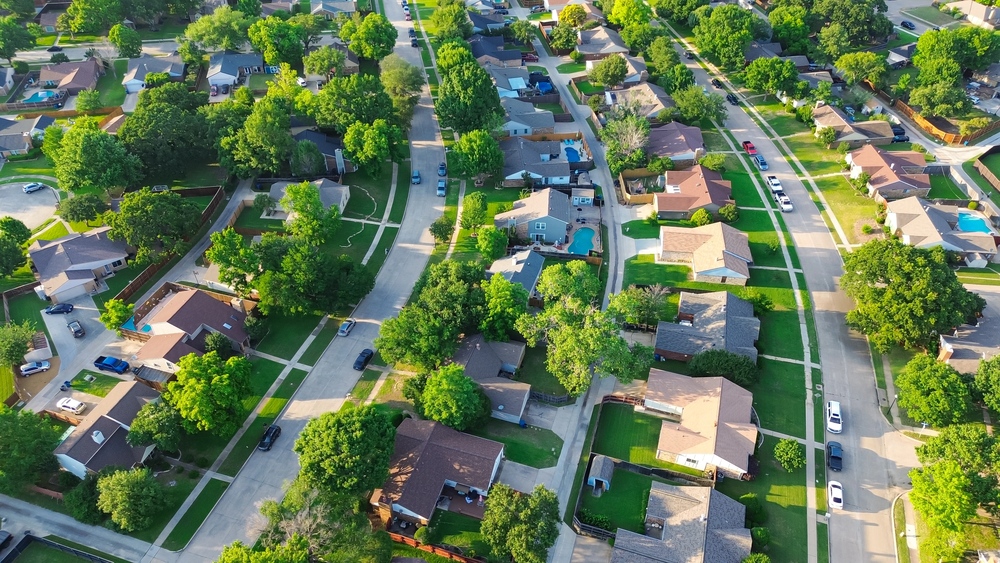
The U.S. homeowners insurance segment is entering 2026 on firmer footing after several challenging years, according to AM Best’s “Market Segment Report” released this week.
AM Best revised its homeowners outlook to stable from negative, citing stronger catastrophe risk management, steadier reinsurance market conditions and gradually improving pricing adequacy. The market now joins the rest of the U.S. personal lines outlook as stable.
AM Best found that many carriers strengthened their risk-adjusted capitalization and liquidity positions through 2025. However, insurers in high-risk regions saw those cushions erode following severe events, such as the January 2025 California wildfires and widespread tornado activity during the first half of the year. The third quarter, however, was notably quiet—including an Atlantic hurricane season that left the U.S. mostly unscathed—which helped stabilize results heading into year-end.
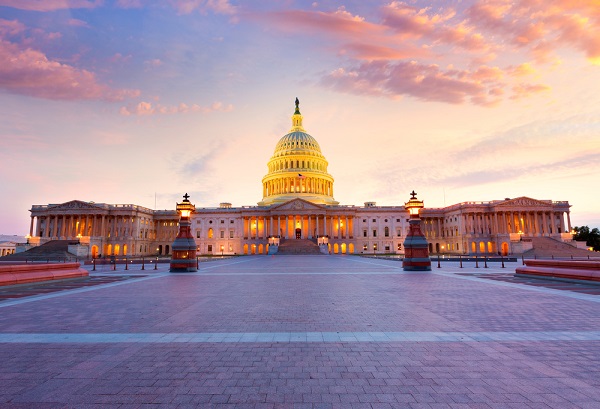
make Your Voice heard at the 2026 Big “I” Legislative Conference
April 22-24 Washington D.c.
Premium growth remained solid across the homeowners segment, although the pace slowed compared to 2024. Carriers continued to implement material rate increases to keep pace with inflation, rising construction costs and elevated loss activity. At the same time, inflation guard factors, which had climbed during the height of cost volatility, began to ease as broader inflationary pressures moderated.
Higher interest rates have joined with the segment’s rate adequacy and underwriting discipline to offset some of the stress on underwriting results and AM Best expects investment performance to remain a positive contributor as long as interest rates remain elevated or steady.
Another bright spot for the segment is the improving reinsurance environment. After several years of steep rate increases for property catastrophe coverage, AM Best reported moderate softening in 2025. Terms and conditions have remained consistent and early indications for January 2026 renewals point to continued stabilization or slight pricing shifts.
“Overall, the improving reinsurance dynamics in 2025 helped alleviate some of the pressures in the homeowners segment, fostering resilience amid ongoing climate volatility,” the report noted. “Nevertheless, the segment remains inherently exposed to the effects of weather-related operating volatility.”
More on Homeowners



Carriers will continue to face market challenges in 2026, including extreme weather events—specifically secondary perils—and inflationary pressures.
Meanwhile, higher construction costs also continue to impact the homeowners segment. “The uncertainty surrounding tariffs heightens the potential for increased construction and repair costs, ultimately leading to elevated loss costs,” AM Best said, noting that no meaningful impact from tariffs has been reported.
The use of satellite imagery, aerial data and mobile inspection tools has become more common across the segment. In addition, carriers expanded the use of artificial intelligence (AI) and machine learning to refine pricing, improve customer interactions and streamline claims. AM Best noted that the strongest carriers have been effective at leveraging technology to select risk and mitigate losses more accurately.
State regulation also continues to play a significant role in shaping market conditions. Florida’s recent tort reform has helped shift policies from the state-backed Citizens Property Insurance to the private market, easing pressure on Citizens and supporting greater market stability despite ongoing weather concerns, AM Best said.
AnneMarie McPherson Spears is IA news editor.
News Types
Agency Management Solutions
Insurance Markets
This month’s issue

The March issue is out now!