Why Improving Workflow Speed Matters More Than Ever
It’s not just about workflow speed—it’s about perception. A quick response signals professionalism, urgency and care.


It’s not just about workflow speed—it’s about perception. A quick response signals professionalism, urgency and care.
Marianne Policastro-Wik is leading her agency, a 2025 Best Practices Agency, through thoughtful “modernization,” paying careful attention to embracing technology without losing the human touch.

The right artificial intelligence (AI) solutions can streamline day-to-day tasks, save time and help you stay laser-focused on your clients.

This episode of a special series from the Big “I” Agents Council for Technology (ACT) unpacks real-world lessons from implementing artificial intelligence (AI).
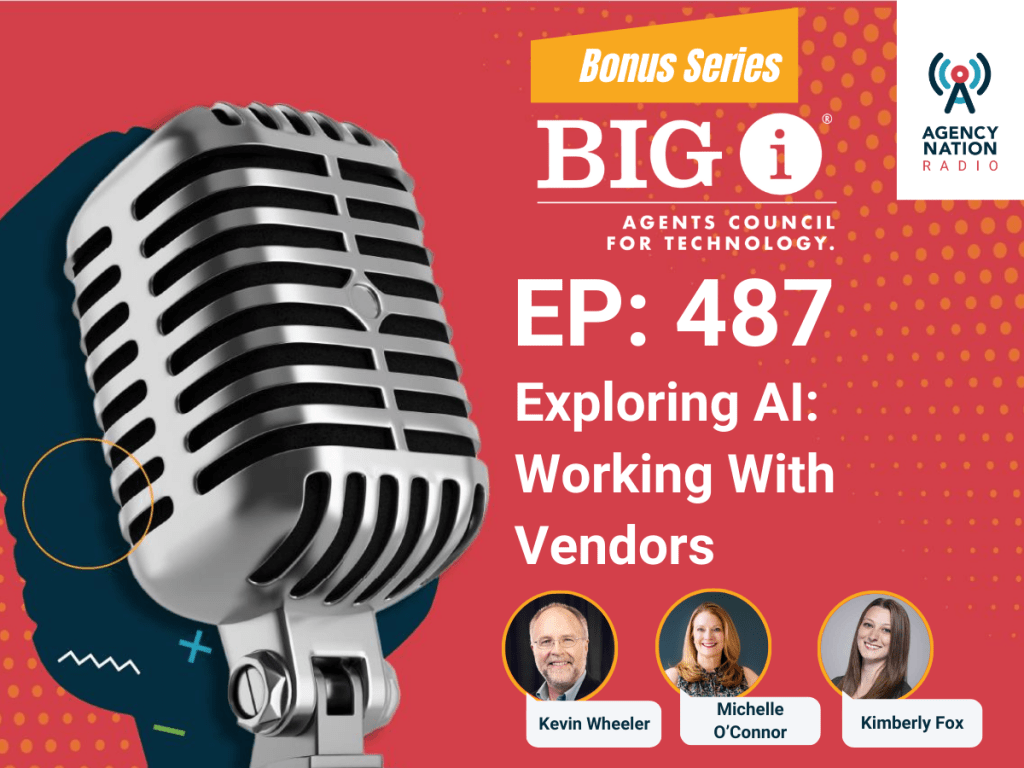
This episode of Agency Nation Radio is the first in a special series about artificial intelligence (AI) brought to you by the Big “I” Agents Council for Technology’s (ACT) AI workgroup.

Despite artificial intelligence (AI) becoming increasingly integrated into independent insurance agencies, only 12% of agencies have a well-defined usage policy, according to Liberty Mutual.

The leaders who excel in the age of artificial intelligence (AI) will be those who lean harder into the human touch when it matters most.

Trying to use AI on top of disorganized, outdated or unreliable data doesn’t create efficiencies, it creates more work. However, AI isn’t the problem. The problem is that you skipped a step.

Artificial intelligence (AI) technology can be overwhelming, but it’s not an all-or-nothing game. Here are five steps to thoughtfully implement AI in your agency.

Catastrophe season can stretch even the most experienced insurance professionals to their limits. Between managing claims and fielding urgent questions, staying organized and efficient becomes key to success.