How to Uncover Classic Car Opportunities Within Your Existing Book

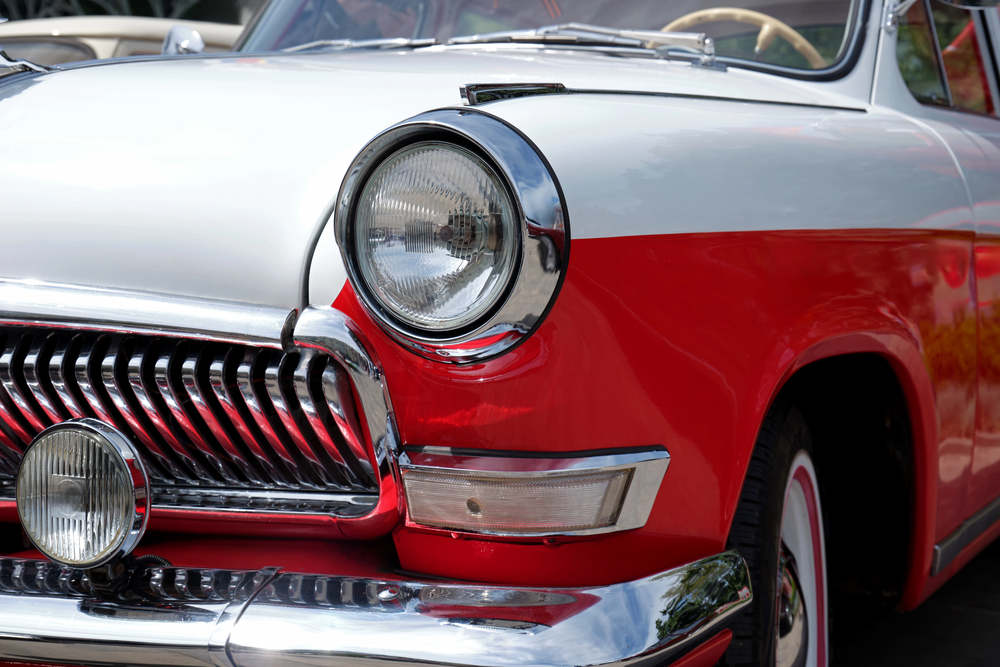
While the classic car market has undergone the same challenges as the broader auto market—rising inflation, delivery delays and increasing repair costs—the collector-car market is steadier, more predictable and ultimately healthier for the long term, according to Hagerty.
“Classic cars have always captivated baby boomers, but younger enthusiasts are increasingly jumping in,” says Adam Van Loon, senior vice president, Hagerty. “Their preferences tend to reflect a more modern sensibility—favoring newer collectibles, SUVs, and pickup trucks—but their passion for great cars and the driving experience is as strong as ever, fueling a vibrant and sustainable market.”

Dan Fulwider Award for Community Service
“However, the classic car market is experiencing some changes,” says Rick Drewry, senior claims training specialist, collector vehicle and motorsports at American Modern, a Munich Re Company. “One of the biggest shifts in recent years has been the evolution of the hobby itself. Traditional classics that are preserved in near-original condition remain a core part of the market, but modified classic cars—such as resto-mods and Pro Touring cars—continue to grow in popularity.”
After a few years of obscurity, classic cars are seeing a resurgence in interest. “Younger collectors are entering the scene in a big way,” says Tim Dadik, vice president, agency experience manager, Berkley One. “Millennials and Generation Zers are buying cars tied to nostalgia—think Foxbody Mustangs or Ford Broncos. Pop culture is influencing choices, too.”
As it experiences demographic changes, the market is evolving—and growing. “The cars that we think of as classic obviously remain hugely popular, but there are all kinds of makes and models and years, many of them very recent, that are actually becoming collectible,” Van Loon says. “And as more cars become collectible, as more people become interested in the industry, the value of the vehicles that are insured has been going up.”
As a result, “these cars aren’t just hobbies anymore—they’re investments,” Drewry says. “Owners need coverage that reflects true replacement value, not a depreciated number.”
For agents operating in the auto market, offering knowledge and coverage options through carriers with expert knowledge of classic cars is key to growing their book of business.
“We have seen a recognition among daily drivers that collectible cars, which tend to be higher value than what daily drivers are accustomed to but also have lower mileage, aren’t suited to the daily driver product,” Van Loon says. “The policies that customers receive from a daily driver policy on a collectible car tend actually to be too expensive because they’re overestimating mileage, usage and liability.”
More on Classic Cars

“At the same time, they often undervalue the vehicle because they’re looking at it as a straight depreciated replacement cost as opposed to a collectible value in a marketplace where collectible cars are bought, sold and traded,” Drewry explains.
For agents looking to expand their offerings by providing the specialized coverage needed for a classic car, “the best place to begin is with an agent’s own book,” Drewry says. “Agents who partner with specialty carriers can kick-start growth with email campaigns, website updates and simple scripting that integrates collector car questions into everyday customer conversations.”
“Questions—such as ‘Did you know that we offer collector car insurance?’ or ‘Do you or anyone you know own a collector car or performance vehicle?’—can open the door,” Drewry says. “When agents make it a consistent focus, it can become one of the easiest specialty products to sell.”
For many agents, “the first thing to realize is that they have a lot more collectible car business in their portfolio than they may realize.” Van Loon says. “There’s an important difference that clients and agents need to recognize, and that is between collectible and classic cars, with many more cars considered collectible than customers or agents necessarily think.”
A trusted advisor can expand their business by “educating clients on why agreed value coverage matters—standard auto policies might depreciate value over time, which may not be right for a classic vehicle,” Dadik says. “And don’t forget to leverage your options to customize coverage for restoration projects, spare parts, even automobilia.”
“Finally, getting involved in the hobby, attending local car shows, and networking in those communities can be a great way to build trust and visibility,” Dadik says.
Olivia Overman is IA content editor.
Insurance Markets
This month’s issue
The February issue is out now!