How Agents Can Help Clients Discover the Real Value of Their Classic Car
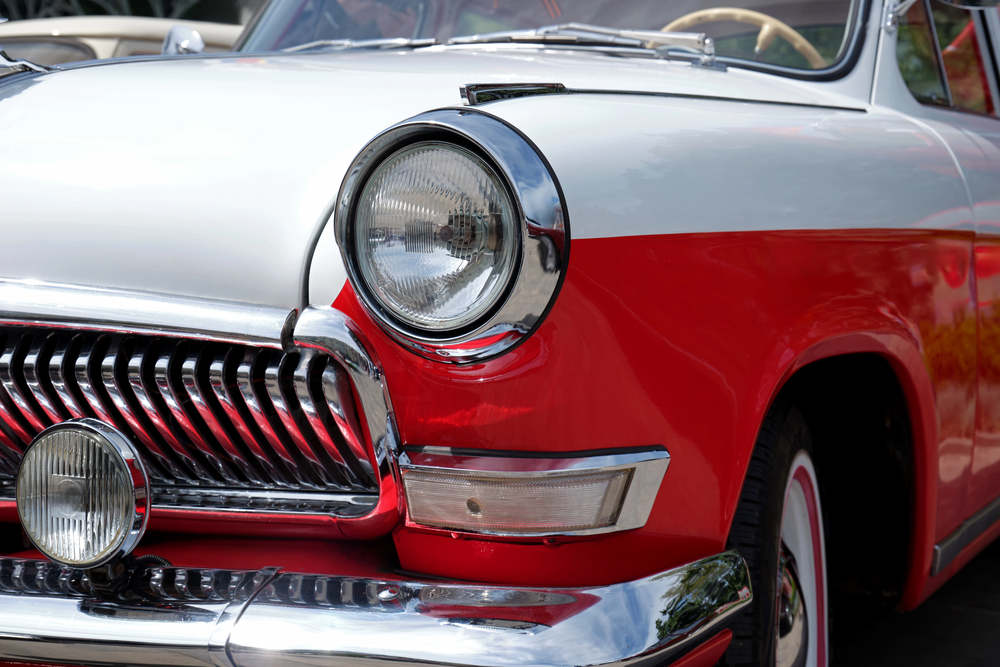
Every classic car has its own unique history—and that history can significantly influence its value.
Rarity and the car’s overall condition are key factors in determining its value. However, determining a monetary figure is not always straightforward. “There are three main types of valuations that can be applied,” says Tim Dadik, vice president, agency experience manager, Berkley One. These include:
1) Agreed value. This is the gold standard for classics—a pre-set amount agreed upon by the insurer and client, paid in full if there’s a covered total loss.
2) Actual cash value. Based on depreciation, actual cash value (ACV) doesn’t work well for collector cars.
3) Market value. This reflects current trends but can fluctuate.

2026 Big “I” Legislative Conference
April 22-24 Washington D.c.
“Most collector car insurance carriers rely on ‘agreed value,’ a mutually accepted amount that both the insured and the insurer confirm upfront,” says Rick Drewry, senior claims training specialist, collector vehicle and motorsports at American Modern, a Munich Re Company. “Professional valuations are rarely required. Instead, owners can establish value through market research, auction results, online valuation guides and comparable sales. Book values can help provide a benchmark as well.”
For many collectors, emotion plays a role in valuing their classic or collectible car. “However, while we want to help people protect the actual physical automobile that they own, we want to make sure that they are also protected against the loss of a valuable possession if that possession is totaled,” says Adam Van Loon, senior vice president, Hagerty. “With any collectible vehicle, people love the item, but that item is also part of their overall net financial worth.”
When it comes to underwriting agreed value, “if the value requested falls within the reasonable range of current market trends, underwriting usually accepts it without issue,” Drewry says. “If the value appears to be out of scope, underwriters may ask more questions or request additional documentation.”
“We recommend reviewing valuations annually, especially after restorations or when the market shifts,” Dadik says.
Further, valuations are “a particularly important tool for our customers who have a collection of vehicles, because those collections are viewed as a financial asset, as well as a passion project,” Van Loon says.
One star who is the proud owner of one of the world’s most jaw-dropping car collections is Jay Leno, the former late-night TV host and comedian. With over 181 cars and 160 motorcycles, Leno has a net worth of between $450 million and $600 million, with his car collection alone valued at over $52 million.
More on Classic Cars



While there are several methods for valuing classic cars, including carriers that specialize in the market, clients can also avail of “specialty appraisers, auction houses or valuation guides as great resources,” Dadik says. “We also encourage collectors to keep detailed maintenance and restoration records. They’re critical for proving condition and provenance.”
Independent agents can position themselves as trusted advisors by “explaining why agreed value coverage matters—it’s a big differentiator,” Dadik says. “Customize the coverage, leveraging car club discounts and options like automobilia or spare parts, and add value through education, sharing tips on storage, maintenance and documentation to help preserve value and reduce risk.”
“Enthusiasts who trust an agent with their prized vehicle—their ‘baby’—are often more willing to move additional lines of business, from motorcycles and boats to homes and small businesses,” Drewry says. “Many successful agents view this approach as ‘going through the garage to get to the house.’ For agents interested in the collector car space, it can be both a profitable niche and a catalyst for deeper client relationships across the entire portfolio.”
Olivia Overman is IA content editor.