How We Can Turn the Tide on the Insurance Industry’s Talent Crisis

By Tanya Krochta
As we celebrate the professionals who drive our industry forward during Insurance Careers Month, we must also reflect on the challenges ahead, particularly with respect to attracting talent.
It’s a known fact that the insurance industry is facing a rapidly accelerating talent shortage. Amid an aging workforce, a lack of diversity and a widening skills gap, companies are finding it harder to attract and retain younger, tech-savvy professionals who are the key to the industry’s future. To turn the tide, it will take a commitment to building more entryways into the industry and redefining its image.
Fifty percent of insurance professionals are expected to retire within the next 10 years, according to data from the National Association of Mutual Insurance Companies (NAMIC), leaving a significant knowledge and experience gap. Simultaneously, younger generations show limited interest in the industry, citing perceptions that it is outdated, lacks career growth opportunities and seems overly complex.

2026 Big “I” Legislative Conference
April 22-24 Washington D.c.
To secure the industry’s future, we must reimagine talent acquisition, development and retention strategies. However, the solution cannot come from isolated efforts alone. It requires a collective reimagining of talent strategy, one that positions insurance as a hub of innovation, data intelligence, and societal impact. This means:
Embedding technology at the core of talent development. Artificial intelligence (AI), analytics and automation are reshaping underwriting, claims and customer engagement. Tomorrow’s professionals will be fluent in these tools.
Redefining the industry’s narrative. Insurance is not paperwork—it’s predictive modeling, risk intelligence and global problem-solving. We must tell that story boldly.
Building inclusive pipelines. Diversity must not be seen as a series of boxes to tick, but as an engine of innovation. Expanding access and representation will unlock new ideas and perspectives.
ACORD, the standards-setting body for the global insurance industry, recognizes the need to provide opportunities for the next generation to gain experience and learn about the insurance industry. It’s also crucial for the industry’s future to communicate how it relates to the world around us. To promote industry collaboration, ACORD recently hosted a panel on the workforce crisis during the annual ACORD Connect 2025 conference.
Here are three key takeaways from the session:
1) Seeing diversity draws in diverse talent. Organizations must ensure diverse representation at the first point of contact to connect with more individuals from diverse backgrounds. This must be part of a larger effort to expand diversity at all levels, especially leadership roles, so diverse individuals can better envision a path for career growth.
2) Dispense with industry jargon to better connect with younger generations.The insurance world is filled with technical terminology that makes it harder to understand the industry’s societal impact, which has greater potential to appeal to younger generations.
3) Cooperative messaging has greater potential to shift industry perceptions. Organizations should seek opportunities where they can collaborate on PR campaigns that address shared concerns around diversity, social impact and technological innovation. This messaging can redefine the industry’s image on a greater scale, ultimately expanding the talent pool for all organizations involved.
A Movement Across the Industry
Various initiatives have different focal points, each tackling critical dimensions of the problem—from perception and education to diversity and inclusion. Across the industry, several organizations are leading transformative efforts that align with this shared vision:
The National Invest Program, a non-profit administered by the Big “I,” focuses on broadening access to the industry by partnering with high schools and community colleges. By reaching talent earlier in their educational journey, the program is helping to reshape perceptions and create entry points for individuals who might never have considered insurance, particularly those from underrepresented communities.
Also, the Spencer Educational Foundation tackles the skills gap by funding scholarships and educational programs that prepare students for specialized roles in risk management and insurance. Their work ensures that the next generation enters the industry with the technical expertise and leadership capabilities required to thrive in a rapidly evolving landscape.
Meanwhile, gender diversity remains a critical gap in the industry’s leadership pipeline. The Women in Insurance Initiative is dismantling systemic barriers by providing mentorship, professional development and networking opportunities. Their work ensures that women not only enter the industry but also rise to positions of influence, bringing fresh perspectives and driving inclusive decision-making that fuels innovation.
Rising Insurance Star Executives (RISE) also addresses the early-career exposure problem head-on. Many students and young professionals simply don’t encounter insurance as a viable career option. Through internships, mentorship programs, and industry awareness campaigns, RISE is building a diverse talent pipeline and emphasizing that inclusion is not just a moral imperative but a strategic advantage for innovation.
More On next Generation Talent



The insurance industry’s talent crisis is a complex challenge, but it also presents an unprecedented opportunity. Through a collective effort by ACORD and other organizations, we can build a workforce that meets the demands of a rapidly changing world.
This transformation requires intentional action to reshape perceptions, invest in education and development, and cultivate inclusive environments. Doing so not only ensures the industry’s resilience but also positions insurance as an attractive and impactful career choice for generations to come.
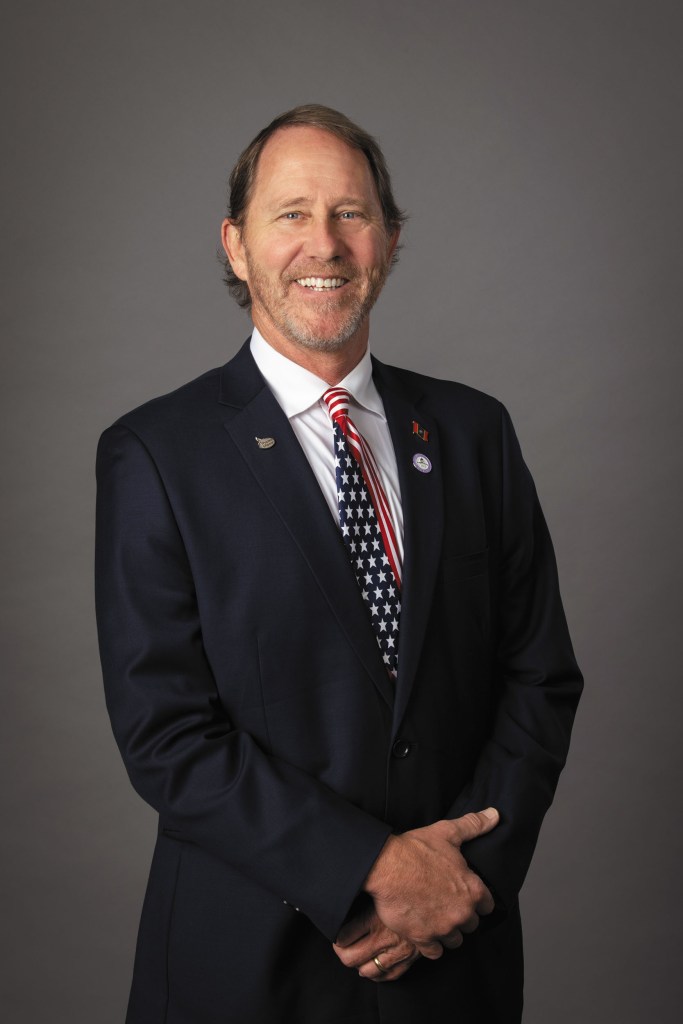
Tanya Krochtais executive vice president, chief operating officer & acting CEO of ACORD.
Agency Management Solutions
Big I Programs
This month’s issue
The April issue is out now!