1 Year After LA Fires: How Risk, Coverage and Insurability Have Shifted
By Diane Delaney
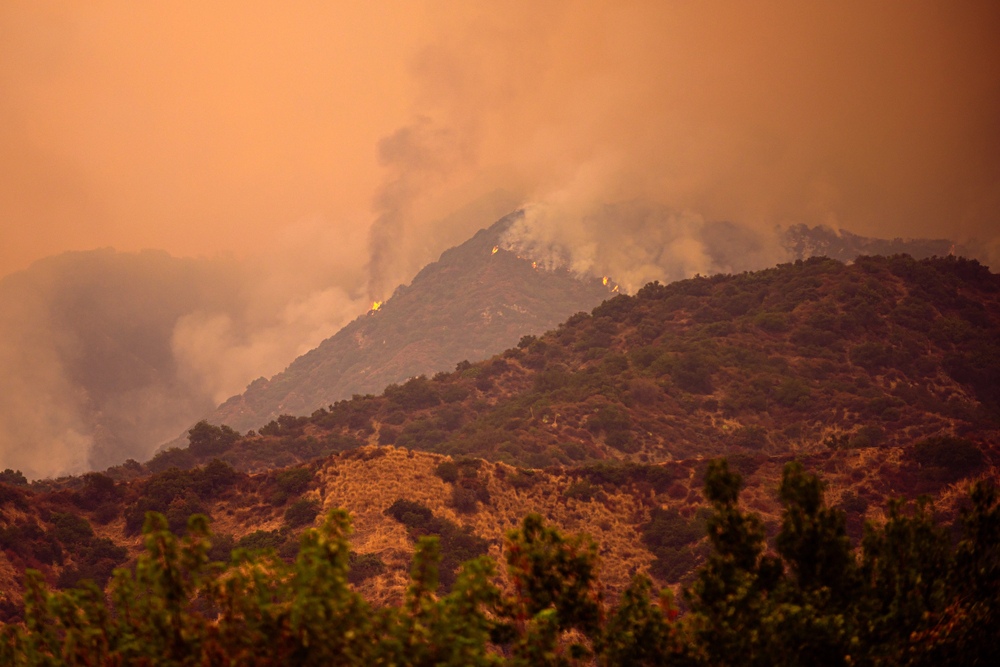
One year after wildfires burned through Los Angeles neighborhoods once considered lower risk, the scale and spread of insured losses exposed how quickly conditions on the ground can shift. The Los Angeles wildfires served as a stress test for the insurance system, the regulatory environment and the advisory model independent agents rely on every day.
For independent agents, the lesson is not only about wildfire exposure but also about how risk itself is evolving. As a result, our approach to insurance, construction and risk management must evolve just as quickly. The question now is whether carriers, agents and local officials can apply those findings fast enough to keep pace with the next season’s conditions.

Dan Fulwider Award for Community Service
However, the protection gap continues to widen. The gap between total economic damage and insured recovery continues to grow. Insurance alone cannot restore every loss, particularly in catastrophes such as those in LA.
Insured losses from the wildfires reached an estimated $40 billion, according to Swiss Re, while overall economic losses could exceed $250 billion when longer-term and indirect impacts are included, according to Moody’s “RMS Event Response.” This reinforces a critical reality: insurance must be positioned as one component of resilience, not a complete financial solution.
Here are three ways the industry has shifted after the Los Angeles wildfires:
1) Layered defense matters more than ever. Protection against wildfire risk requires a combination of coverage and risk management measures. In high-risk states like California, the “2025 PRMA Private Client Insurance Insights Survey” found that 30% of private client households reported difficulty securing homeowners insurance, so many accepted whatever option they could get rather than one that provided adequate protection. When losses occurred, policy limits, exclusions and structural constraints quickly surfaced.
For many, the California FAIR Plan became the default insurance option—not because it was ideal, but because it was often the only choice. Its limited coverage scope, funding uncertainty and lack of protection for secondary structures and additional living expenses exposed significant gaps.
When clients are placed in last-resort mechanisms, agents must clearly position those policies as incomplete foundations. Where possible, additional layers, strategies and planning conversations are essential.
“Mitigation can’t wait until the threat is visible,” says O.P. Almaraz, founder of Allied Disaster Defense. “When the Palisades fires hit, the volume of under-protected homeowners urgently seeking help was overwhelming.”
More on Homeowners



Resiliency steps must be taken well before a fire approaches. For clients who are unsure where to begin, Almaraz highlights three relatively low-cost steps homeowners can take today:
- Keep embers out. Install 1/16- to 1/8-inch noncombustible, corrosion-resistant metal mesh screens over attic vents to block wind-blown embers.
- Clear the first five feet. Remove combustible plants and replace wood mulch within 5 feet of the home with stone or crushed granite to reduce ignition risk.
- Use a Class A fire-rated roof. Many roofing materials qualify, including asphalt shingles, concrete, brick, masonry tiles and metal roofing. Wood shake shingles do not meet Class A fire-resistant standards. If in doubt, the Office of the State Fire Marshal maintains a list of approved materials.
2) Carrier retreat is permanently reshaping the market. Carrier pullback from high-risk regions is accelerating, pushing more homeowners into the excess & surplus market. While these options offer flexibility, they often come with higher costs, tighter terms and less standardized claims handling.
As a result, carrier evaluation, financial strength and claims expertise are more critical than ever. The agent’s value lies in helping clients navigate this complexity and understand the tradeoffs involved.
At the same time, emerging solutions, such as parametric insurance, captives and public-private risk-sharing models are gaining attention as traditional insurance struggles to absorb catastrophic risks. These options are not replacements for traditional insurance, but they may become essential complements when conventional coverage reaches its limits.
3) Insurability is becoming conditional. Insurers are increasingly tying coverage availability to mitigation measures, construction materials, defensible space and property characteristics. Insurance is no longer passive; it is contingent.
Agents must be prepared to explain that maintaining coverage may now require the homeowner to take action. The role of the advisor is expanding from policy placement to long-term insurability planning.
The lessons from the LA wildfires are not hypothetical. They are already reshaping underwriting, availability, pricing and the expectations placed on homeowners and their advisors.
Independent agents must move beyond reacting to carrier decisions and instead lead proactive, informed conversations about insurability. That begins with reframing insurance as one part of a broader resilience strategy that includes mitigation, construction choices and long-term planning.
Agents should:
- Make it clear where insurance coverage ends and which risks clients are still responsible for.
- Help clients understand that coverage availability may depend on mitigation steps and property features.
- Support homeowners in building layered protection.
- Understand alternative insurance options well enough to explain them clearly when traditional coverage is no longer enough.
Wildfires are no longer a seasonal or regional issue. They represent a year-round, nationwide risk, and our approach to insurance, construction and risk management must evolve to match that reality.
Diane Delaney is CEO & executive director of Private Risk Management Association, a nonprofit trade group advancing standards, advocacy and expertise in the high net-worth insurance sector.
Agency Management Solutions
Insurance Markets
Big I Programs
This month’s issue
The February issue is out now!