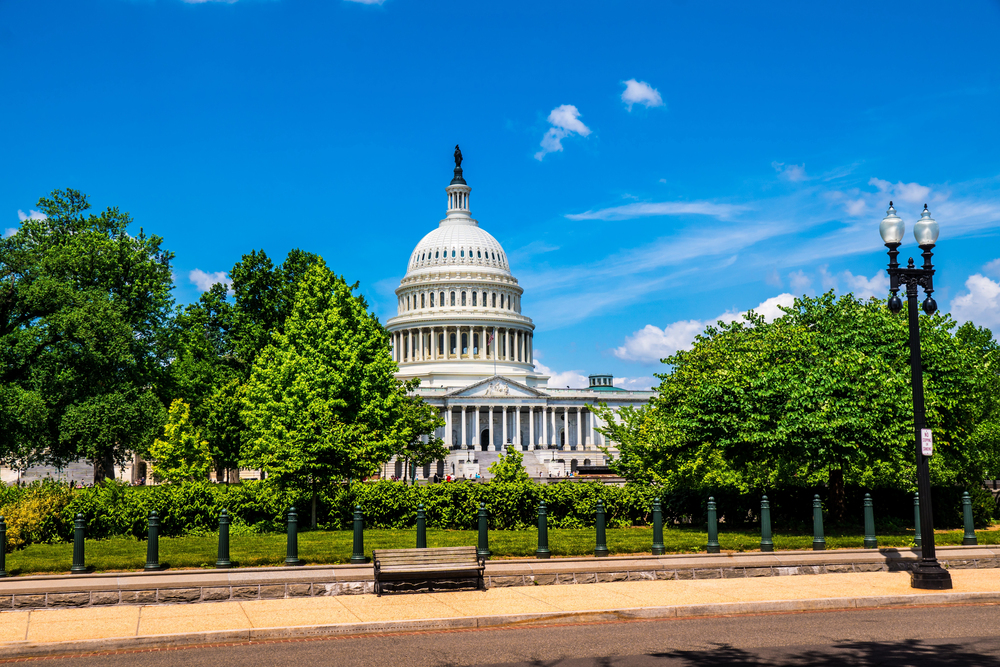
Bipartisan Disaster Risk Bill Passes the House
The bill would amend the Internal Revenue Code to ensure that individuals recovering from natural disasters are not unfairly taxed on the financial help they receive to rebuild their lives.
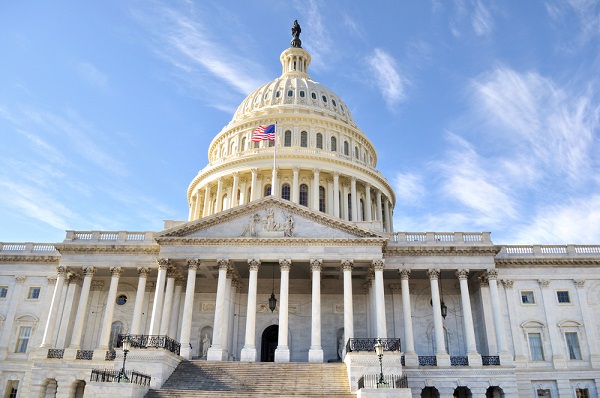

The bill would amend the Internal Revenue Code to ensure that individuals recovering from natural disasters are not unfairly taxed on the financial help they receive to rebuild their lives.
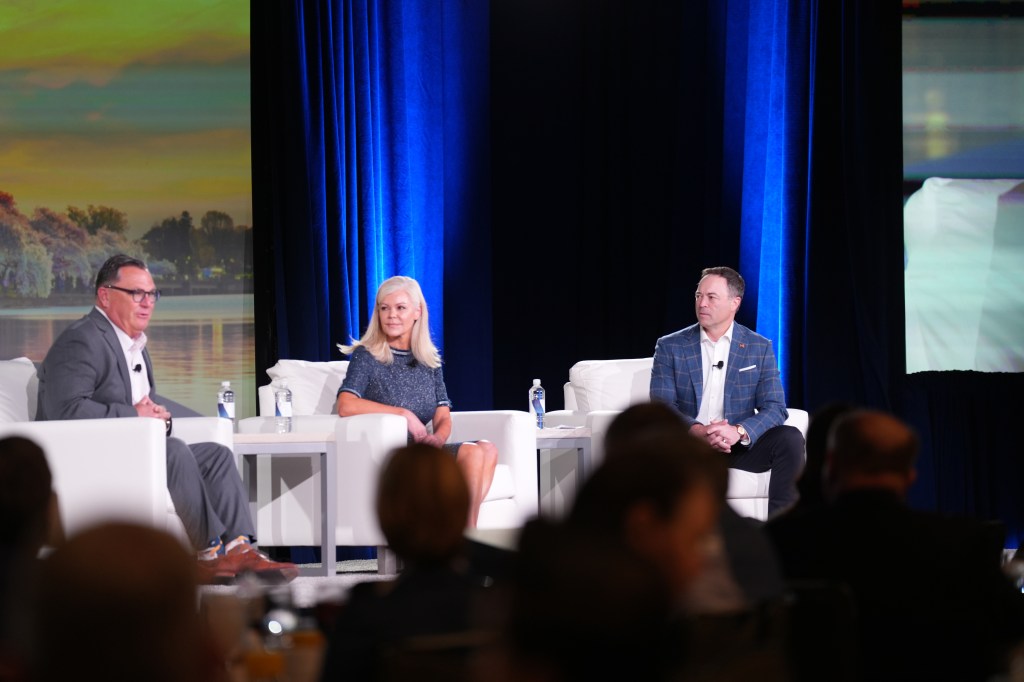
Insurance agents are stepping beyond the agency and into the political arena—and the Insurance Campaign Institute is helping them get there.
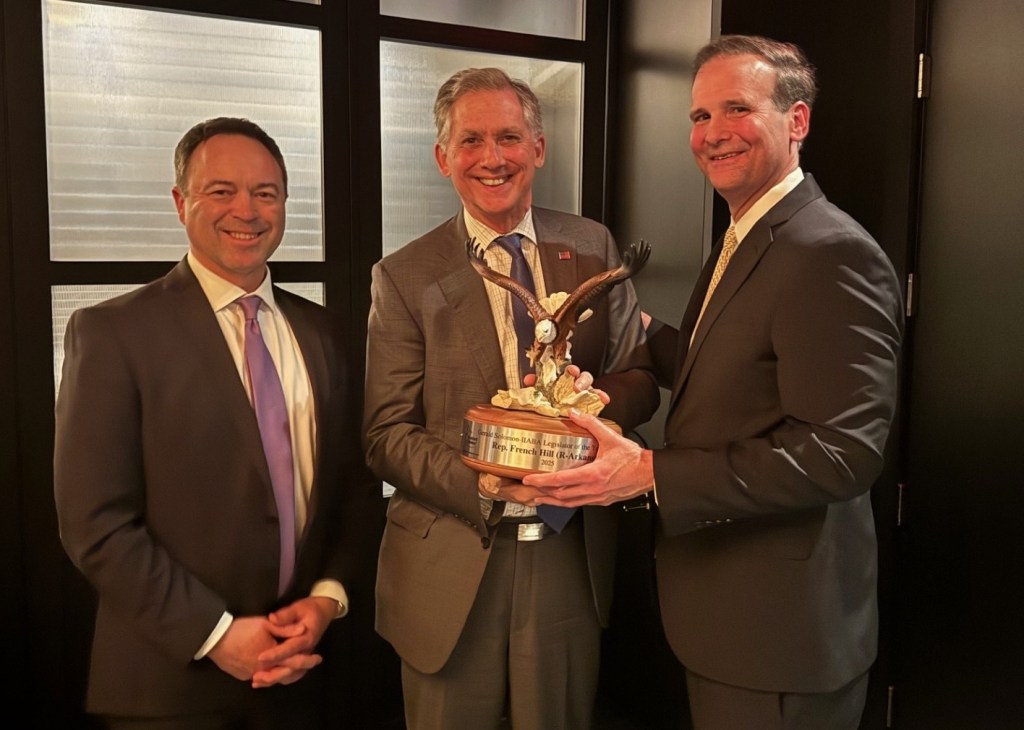
As the chair of the House Financial Services Committee, Rep. Hill was honored for his leadership on key issues impacting independent insurance agencies.
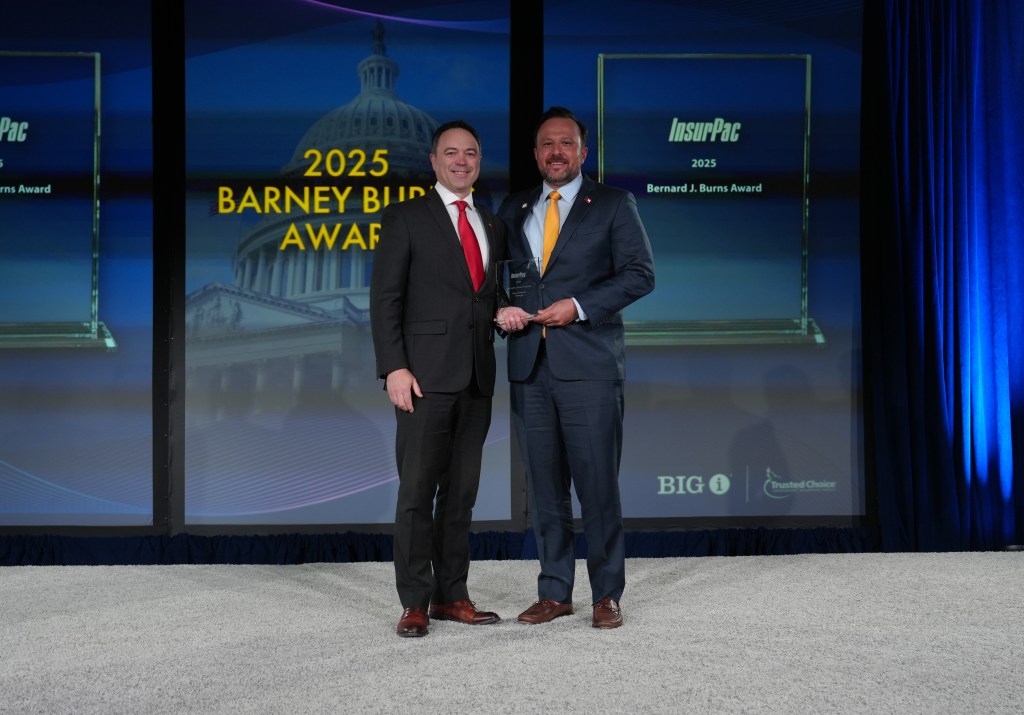
This week, the Big “I” recognized Big “I” state associations for InsurPac fundraising and presented the 2025 Bernard J. Burns Award.
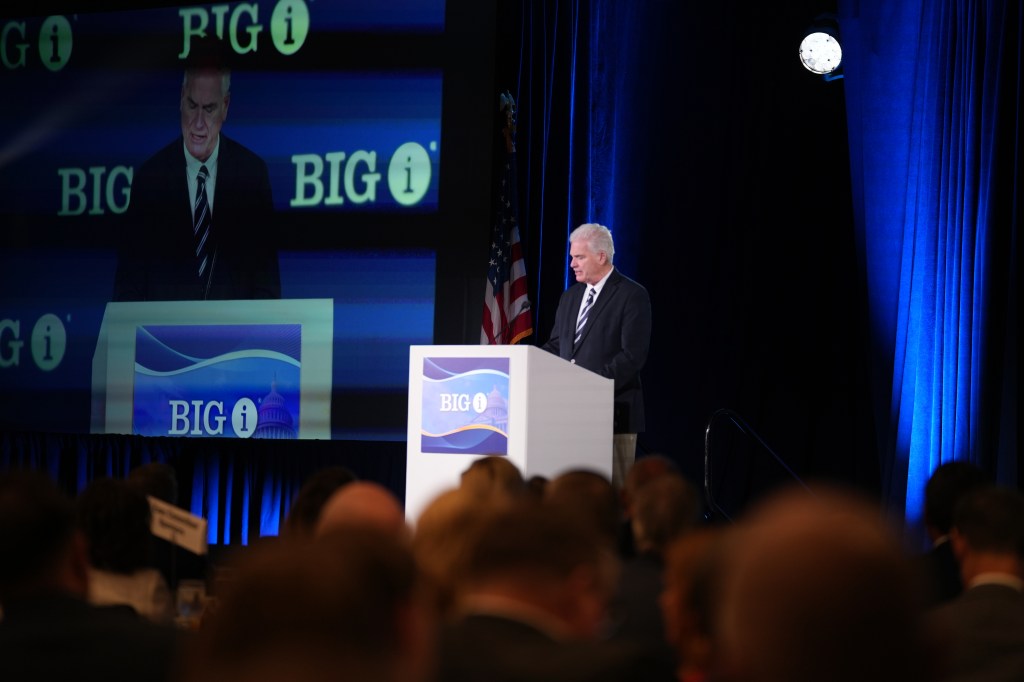
As majority whip, Rep. Tom Emmer plays a central role in shaping the legislative agenda. His leadership is informed by his experience working in the insurance industry.
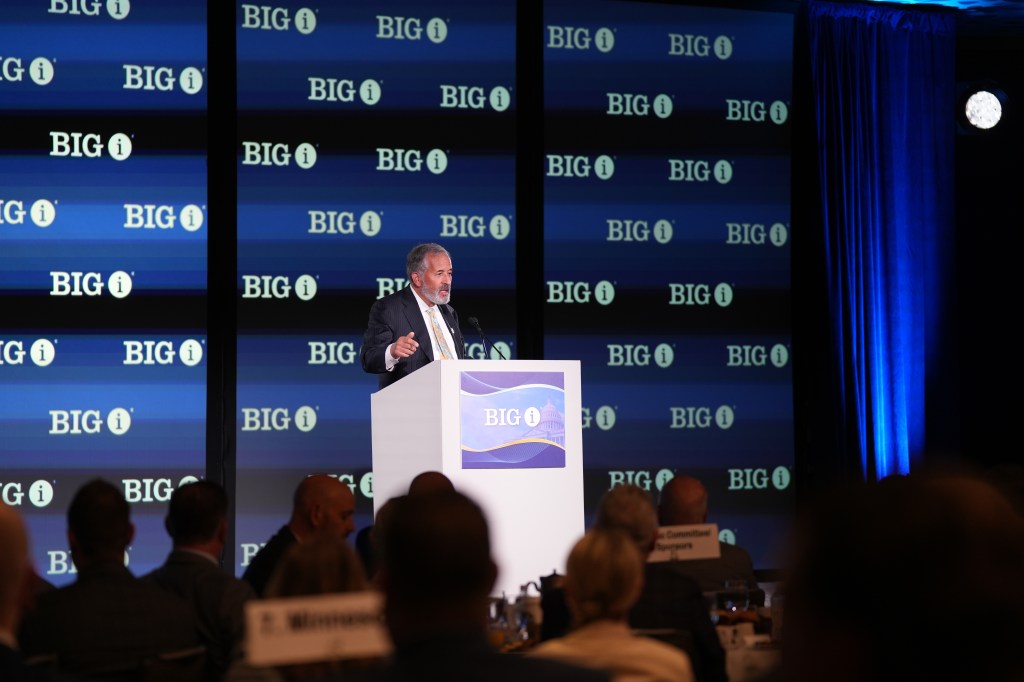
Rep. Juan Vargas (D-California), spoke to Big “I” members, emphasizing why insurance is essential to the economy and why independent agent advocacy helps communities nationwide.
Get up to speed on the five key issues that will be the focus of the 2026 Big “I” Legislative Conference taking place April 22–24 in Washington, D.C.
As of Oct. 27, more than 2,300 agents and brokers nationwide have invested in InsurPac, the Big “I” political action committee (PAC), helping to surpass the $1 million mark toward its $1.3 million goal for the 2025 calendar year.
In response to providers significantly reducing or eliminating agent compensation, the Big “I” voiced its concerns in joint letters to Congress and to the Centers for Medicare and Medicaid Services.

The bipartisan bill directs the Health and Human Services (HHS) Secretary to update regulations for independent agents, brokers and third-party marketing organizations (TPMOs) under Medicare Parts C and D.