3 Ways Agents Can Get Clients the Flood Coverage They Need
As carriers become increasingly comfortable with using sophisticated models to underwrite flood perils, agents are now in a better position to offer flood coverage options.


As carriers become increasingly comfortable with using sophisticated models to underwrite flood perils, agents are now in a better position to offer flood coverage options.
Beginning April 1, all flood policies must be priced under Risk Rating 2.0 at renewal. FEMA is offering new webinars that will focus on renewals under Risk Rating 2.0.

As pricing in the National Flood Insurance Program (NFIP) increases, insureds are seeking alternatives that might be more cost-effective.

“With the world experiencing more extreme weather events, the value of flood insurance is a lesson that is more important than ever,” says independent agent Lisa Sharrard. “Some homeowners pay off their mortgage, cancel their flood policy and believe they
As the April 1 implementation date for all Risk Rating 2.0 renewals approaches, agents should review all communication from their Write Your Own (WYO) companies.

As of press time, the U.S. Senate was expected to pass legislation that would fund the government through March 11, 2022, and extend the National Flood Insurance Program (NFIP) for the same period.

The U.S. Senate is expected to take up the legislation in the coming days, which is needed to avoid a government shutdown and a lapse in the NFIP.

The National Flood Insurance Program (NFIP) is scheduled to expire on the same date as government funding, which will expire tomorrow if legislation is not passed.

Advocacy efforts by the Big “I” proved successful on many fronts and several damaging provisions have been dropped from the legislation.
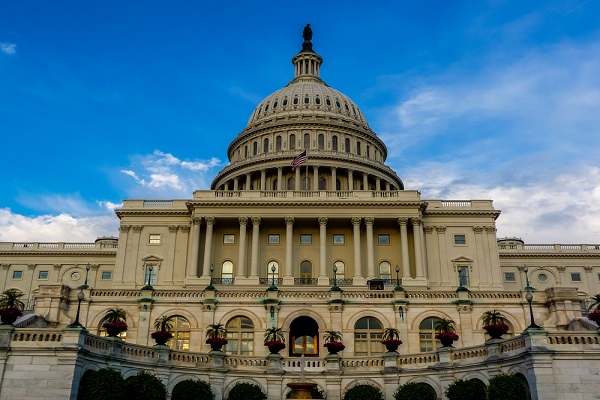
The Big “I” successfully advocated to remove several damaging provisions, including a cap on the 20% small business deduction and tax rate increases that would have impacted Big “I” members organized as pass-through businesses.