Vantage Risk Introduces Pollution and Professional Liability Insurance for Environmental Risks
Vantage Risk has extended its contractors pollution liability and professional liability offerings to environmental contractors and consultants.

Vantage Risk has extended its contractors pollution liability and professional liability offerings to environmental contractors and consultants.
The product is a streamlined site pollution liability policy providing coverage enhancements that are relevant to middle market and Fortune 1,000 companies.
Trends that are likely to grow or emerge for environmental or pollution insurance policies throughout the rest of 2023.

With the Environmental Protection Agency recently adding some variants of PFAS to its hazardous substance list, insureds have potential exposure for cleaning and reporting releases.

Environmental exposures are becoming harder to ignore and many commercial policies are excluding exposures to specific contaminants.
A comprehensive environmental insurance strategy is one of the best options for protecting against the catastrophic environmental- and pollution-related problems that can occur on any site development.
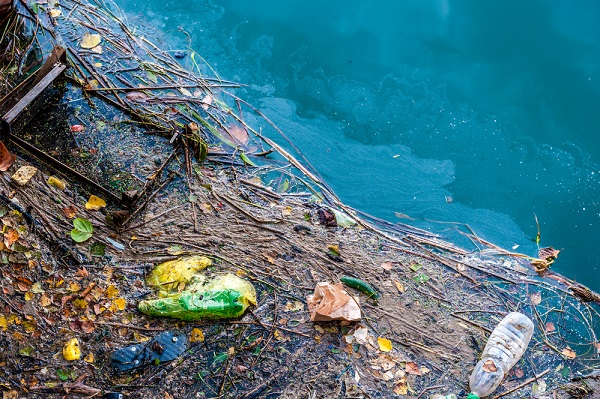
As some companies physically reopen and look to have employees return to work in some form or other, there are numerous logistical matters to consider.

“Contractors pollution liability terms and pricing continue to remain competitive, but site pollution liability is another story,” says independent agent Bill Howard. “Markets are certainly more conservative and carriers are offering short-term policies.”
The advent of environmental, social and governance (ESG) programs has created opportunities for agents as the information for evaluating such risks is more readily available.

For an agent looking to enter the environmental insurance market, here are four tips to ensure you provide the coverage your client needs.