Fix Our Forests Act Edges Closer to Law
The “Fix Our Forests Act of 2025,” which will improve forest management, reduce wildfire risk and protect critical infrastructure, was passed out of a U.S. Senate committee.
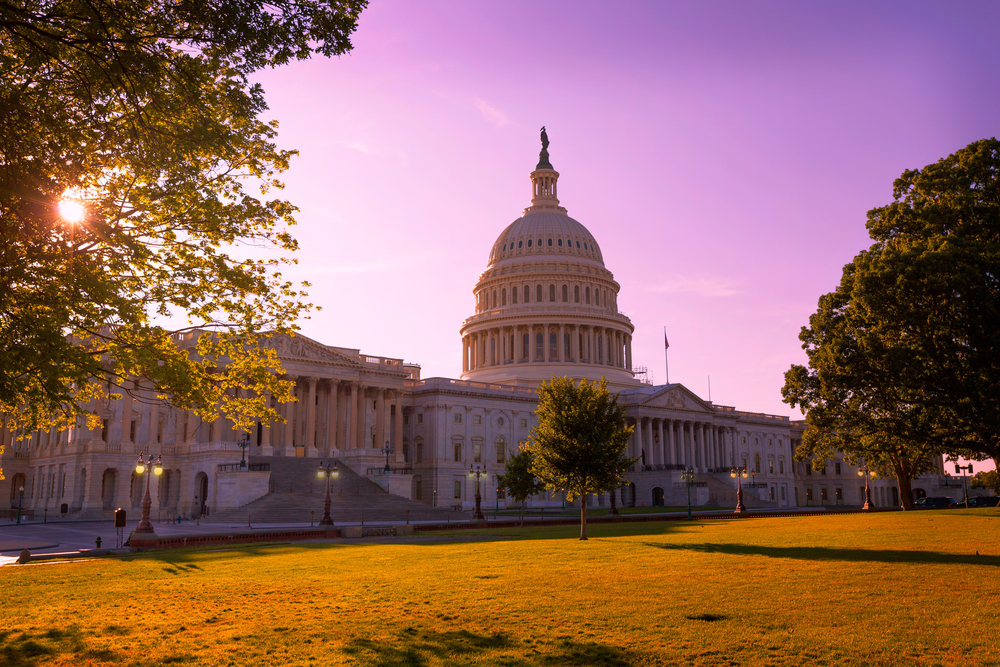

The “Fix Our Forests Act of 2025,” which will improve forest management, reduce wildfire risk and protect critical infrastructure, was passed out of a U.S. Senate committee.
As homeowners contend with inflation, extreme weather and increasingly complex coverage needs, new reports from Nationwide and The Hanover reveal widening gaps in insurance coverage—and an expanding role for agents helping clients navigate today’s risk environment.

While 63% of employers said they provide structured safety training, only 29% of employees report receiving it regularly—and 28% say they have never received formal workplace safety training.

A homeowners client is building an addition on their secondary home, which is still occupied and furnished. The carrier says there is no coverage for theft of personal property.
Insurance agents who embrace risk mitigation technologies can strengthen underwriting, deliver value to customers and differentiate their service.

As threat actors continually become more proficient in their ability to access company’s systems, there are steps all businesses can take to improve their security.

Heavy rain overwhelmed a French drain outside of a commercial insured’s building, which caused water to back up into the building. The carrier denied the claim because the drain was exterior.

Businesses of all sizes throughout the U.S. continue to face challenges from the evolving nature of cyber risks.

From hurricanes in the Southeast, wildfires in the West and severe convective storms in between, catastrophes are a defining feature of the current insurance landscape and are changing property insurance.
The coverage combines core contractors pollution liability (CPL) coverage with a limited control of well (COW) extension, offering more comprehensive protection for remediation projects.