The RVing Boom: 4 Key Drivers and What They Mean for Today’s Agents
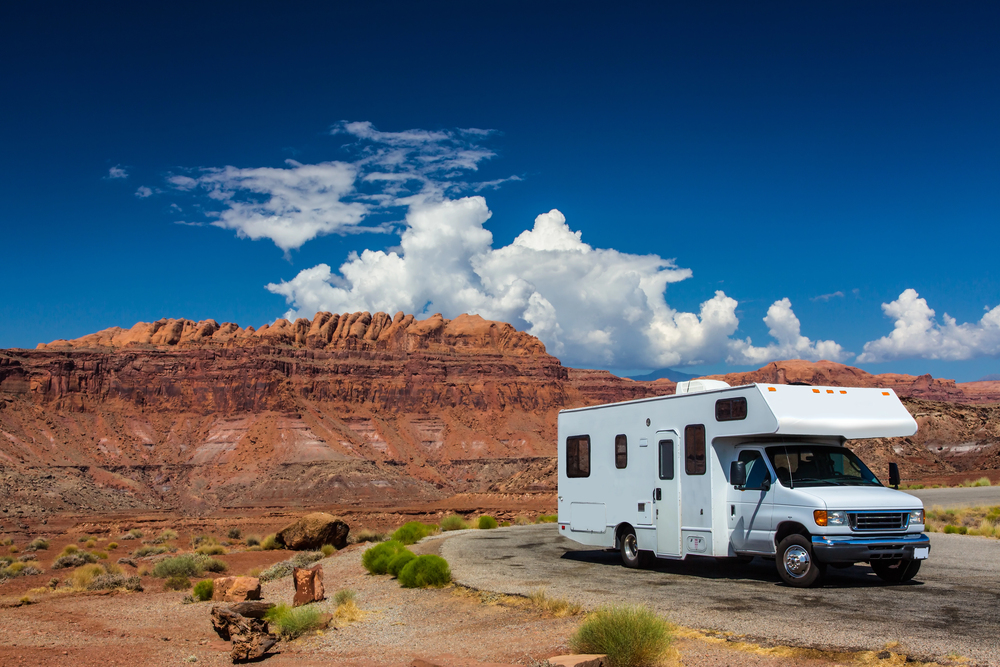
More Americans than ever are continuing to experience the outdoors in a recreational vehicle (RV), according to the RV Industry Association. This popular pastime supports an industry with an overall annual economic impact of $140 billion, supporting nearly 680,000 jobs, and pays more than $48 billion in wages, according to a study by RVIA.
2025 continued to be a growth year for the RV industry, “but like many industries, it faced economic challenges later in the year,” says Julie Meyer, RV product manager at Progressive Insurance. “Notable headwinds in 2025 included higher prices for new RVs due to inflation, tariffs and related uncertainty, high interest rates and financing costs, and overall inflation that potentially deterred some buyers.”

Take the 2026 Agency Universe Study Survey
“Some of these factors also impacted the market for RV insurance, contributing to increased repair and replacement costs on RV insurance claims and impacting RV insurance pricing,” Meyer explains.
Nevertheless, enjoying the outdoors in an RV remains popular, with “the industry continuing to see a surge in popularity since 2020,” Meyer says.
“We see flexibility as a standout theme when we consider reasons for RV popularity,” says Eric Uturo, product manager, Foremost – a Farmers Insurance Company. “Our customers enjoy the great outdoors and seeing it all in a motor home or travel trailer makes it a tailored, individualized adventure.”
Here are four reasons why RVs are popular, according to Meyer:
1) Lifestyle goals. Millennials and Generation Zers are embracing a more relaxed, less traditional lifestyle and are not waiting to travel until retirement, like prior generations. By 2030, Gen Z and millennials will account for more than half of U.S. leisure trips, up from just one-third in 2023, according to Arrivia.
More on Recreational Vehicles


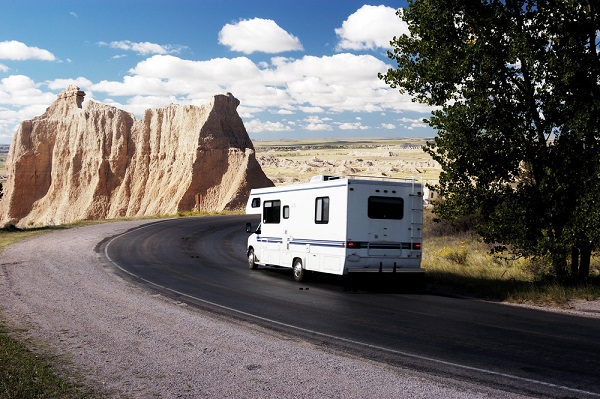
2) Flexibility, freedom and remote work. RVing gives people the freedom to go where they want, when they want, which supports the increasing prevalence of remote work. Twenty-two percent of RVers indicate that someone in their home currently works remotely, according to “2025 RV Owner Demographic Profile Overview” from RVIA.
3) Connecting with nature. RVing offers a great opportunity for outdoor activities. Fishing, hiking and local attractions are popular, according to the RVIA study. Boondocking—free camping without amenities or hookups—is also on the rise.
4) Cost-effective. RVing can be attractive in the long term for budget-conscious travelers as it avoids the cost of flights and hotels. For some, it offers lower-cost living and maintenance compared to traditional housing, the study said.
Additionally, “people who love to travel with their pets find that RVing eliminates the hassle and extra cost hotels will pass onto customers,” Uturo says. “Specialty insurers offer coverage for pets while they travel.”
As clients’ RV habits and needs evolve, coverage options offered by agents are continuing to evolve, “especially as more people choose to live in their RVs, and an increasing number of people work remotely while RVing,” Meyer says.
The demographic shift offers a new opportunity for agents as numbers indicate a major generational shift in RV and camping trends, according to The RV Atlas, with 76% of millennials saying they are interested in RV travel this year and 67% of Generation Z also express interest in taking an RV trip, showing a strong demand among younger adventurers.
As younger travelers are embracing RVing and outdoor adventure, agents can educate clients on the potential risks they face.
“Many customers don’t realize that certain RV insurance includes coverages that differ from auto insurance because the risks are not the same,” Meyer says. “Unfortunately, they often only discover those differences after something goes wrong.”
However, “agents have vast insurance experiences to draw knowledge from and help the customer ask the right questions about their unique situations,” Uturo says. “Often, there are complex liability exposures that could go unrealized, and an agent can help ensure their customers have all the proper coverages.”
Highlighting risks such as the “potential damage caused by pests, vehicle breakdowns, roof malfunctions and damage from storms,” is important, Meyer explains. “Understanding these risks and available coverages provides an opportunity for agents to ask specific questions about the customer’s needs, such as whether optional roadside assistance coverage might provide cost-effective peace of mind.”
As a trusted advisor, agents play a role in helping clients “avoid blind spots in their coverage by offering physical damage settlement options and ancillary coverages, such as roof and pest coverage, where available,” Meyer says.
Olivia Overman is IA content editor.
Agency Management Solutions
Insurance Markets
This month’s issue
The March issue is out now!