6 HR Compliance Trends to Watch in 2026

By Paige McAllister
2025 brought major changes that impact employers and employees. Here are six developments and what you can do to prepare your business for what’s ahead in 2026.
1) Labor market. The stagnant labor market—characterized by slow or no job growth, few new openings, slow wage increases and high competition for limited roles—we saw in 2025 is likely to continue through 2026. Most employers are not firing employees, but they are not hiring new employees either.
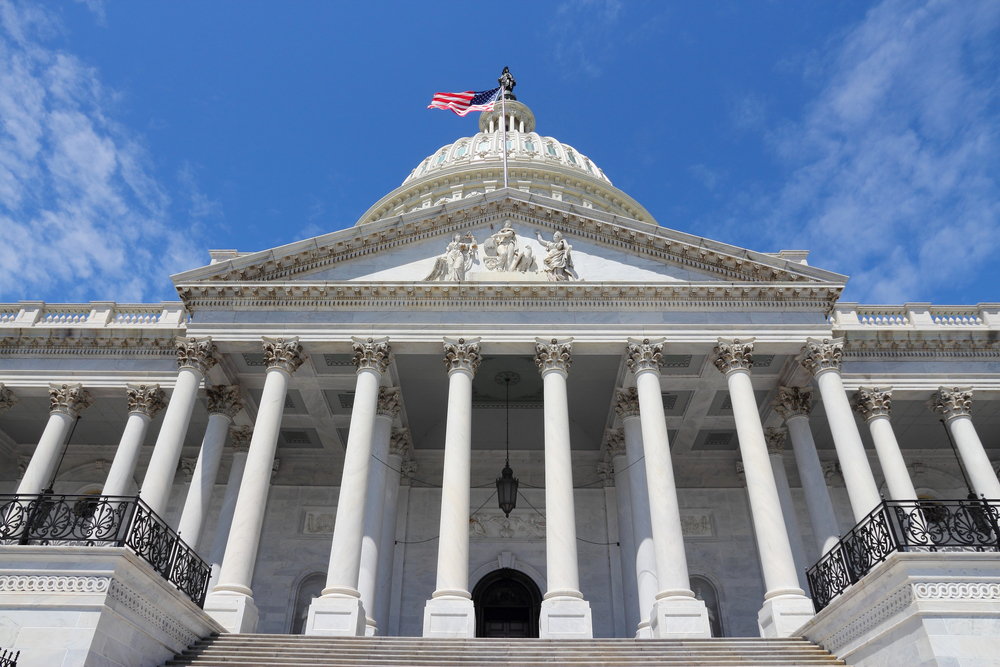
make Your Voice heard at the 2026 Big “I” Legislative Conference
April 22-24 Washington D.c.
Factors such as the low availability of open jobs and the increasing cost of living are causing more employees to stay with their current company. While resignation levels are decreasing, employee dissatisfaction is increasing.
The Workplace Advisors sees this trend being driven by employees’ disconnection from or dissatisfaction with management; a lack of transparency in how their company is or plans to adjust to ongoing challenges; a decrease in their work-life balance with the rescinding of remote work arrangements or flexible scheduling; the reality of working with underperforming co-workers being retained due to poor management or operational need; and the lack of career progression due to stagnation within the company’s workforce.
For 2026, employers should:
- Train managers to better engage with and value their employees.
- Effectively manage the performance of employees not meeting expectations.
- Review the compensation and benefits of their workforce to be competitive enough to both attract and retain high performers.
- Strengthen their recruiting and hiring process to find and place better-qualified candidates more quickly.
2) Immigration. Some of the biggest headlines from 2025 involved the Trump administration’s crackdown on immigration by increasing the number of banned countries, expanding permissible actions law enforcement can take to detain suspected illegal immigrants, escalating forced deportations and incentivizing voluntary deportations, and changing the visa and asylum process.
The administration also changed Temporary Protected Status (TPS), Deferred Action for Childhood Arrivals (DACA) protections, and Employment Authorization Document (EAD) extensions, as well as increased enforcement and penalties of Form I-9 audits, workplace investigations and immigration raids.
Expectations are that these actions will continue in 2026. In response, employers should:
- Complete a self-audit of their Form I-9s for current and recently terminated employees, with guidance from a subject matter expert.
- Update their processes for completing, updating and retaining Form I-9s.
- Train any person who could serve as a company representative when completing the Form I-9 during new employee onboarding.
- Develop a plan to respond to U.S. Immigration and Customs Enforcement (ICE) inquiries, audits and raids.
- Engage an immigration attorney now so they can immediately assist if ICE visits their workplace.
3) Overtime and tips. As part of the One Big Beautiful Bill Act, eligible employees who earn overtime or tips will be able to deduct part of that qualified income on their personal income taxes starting in 2026. There will be no differences in paycheck deductions and certain taxes, such as Social Security, Medicare, and state or local taxes.
More on HR Policies



Since the IRS has yet to release new forms reflecting this deduction, employers will not be required to provide a breakdown of overtime or tip compensation on the 2025 W-2, but are encouraged to do so if possible. However, they will be required to provide a detailed breakdown of overtime or tips beginning in 2026.
Employers should:
- Review the criteria for employees and industries that qualify for these exemptions to determine if action needs to be taken.
- Update their payroll systems to track overtime and tips as separate categories of income accurately.
- Work with their payroll processor to ensure all information is captured accurately and audited frequently throughout the year.
- Develop documentation to explain to employees the company’s role in this new deduction.
- Prohibit any employee or manager from offering tax advice to employees asking about how they file for this deduction.
4) Artificial intelligence (AI): It’s everywhere these days, whether we want it to be or not. In the workplace, AI is used for content creation, marketing, recruiting, training, productivity, data management and more. While AI can be beneficial, it can also create exposure for confidentiality, trademark violations and discrimination.
President Donald Trump issued an executive order in December that seeks to restrict the ability of states to regulate artificial intelligence (AI). The real-world impact of last month’s executive order is unclear and will take time to discern. In the meantime, state legislatures continue to pass laws that restrict certain usage of AI.
For 2026, employers should:
- Develop and issue a policy outlining expectations and restrictions for the use of AI in the workplace.
- Engage experts to work with management to decide how AI will be used and the best tools to accomplish those goals.
- Prioritize compliance and confidentiality when implementing any AI.
5) Minimum wage. The minimum wage increased in 19 states and 49 cities and counties as of Jan. 1, with more increases to be seen throughout the year.
In response, employers should:
- Review their payroll rosters to ensure all employees are making at least minimum wage and increase wages where needed.
- Consider any impacts of resulting wage compression and adjust others’ wages if needed.
- Review the exempt and non-exempt classification for all employees, ensuring that exempt employees meet the applicable salary test, minimum salary threshold—federal or state—and job duties test.
6) Paid and unpaid leave and time off. While federal law does not require any such paid time off, many states have regulations that require employers to offer employees paid time off or paid leaves of absence in some form. Several changes went into effect in 2025, with more to be implemented in 2026.

your one-stop shop for hiring Help
This year, employers should:
- Update their policies and handbooks to include updated protections and distribute them to all employees.
- Revise their procedures to include new reasons and protections and train HR and managers to know when these need to be offered to employees.
- Remind all management and employees that adverse employment action or retaliation for taking this protected time off is prohibited.
Paige McAllister is vice president, HR compliance, The Workplace Advisors. The Workplace Advisors is the endorsed HR partner of Big “I” Hires, the Independent Insurance Agents of Virginia, Big I New York, and Big I New Jersey.
Through the HR Support Plan, The Workplace Advisors can help you stay up-to-date on regulations, strategize how to manage the changes, and keep your handbook current.
Agency Management Solutions
Big I Programs
This month’s issue
The March issue is out now!