Product Liability: How Global Economic Challenges Are Impacting the Market
With factors such as increasing product recalls, growing consumer awareness and expanding regulatory requirements across almost every industry, the product liability insurance market is projected to continue to grow over the foreseeable future.
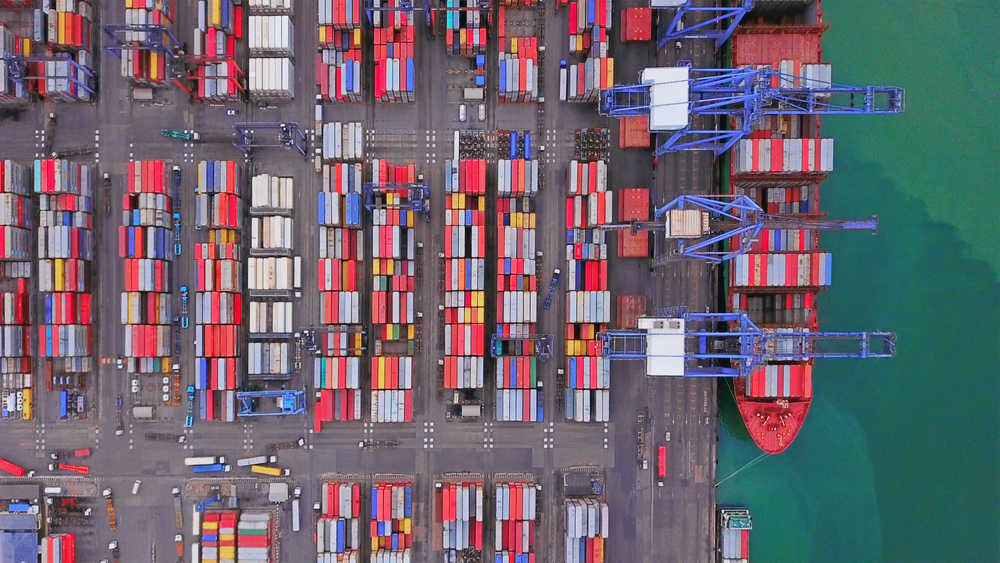
However, carriers are taking another factor into consideration when monitoring this market segment: the impact of any ongoing and proposed tariffs on the manufacturers and distributors of products, which may force manufacturers to change suppliers. In a global economy, this translates into uncertainty.
Over the past few years, several key trends have been impacting the market, with the most significant including “claim and defense costs rising due to social inflation and third-party litigation funding, reshoring and nearshoring of component parts and raw material sourcing, as well as rising product recall activity in the consumer products space,” says Erika Melander, national manufacturing practice leader, Nationwide.
2026 Big “I” Legislative Conference
April 22-24 Washington D.c.
“The change in claim costs drives overall product liability rates up and capacity down, and while I haven’t seen product-related trends due to the more recent reshoring and nearshoring, I would expect to see fewer claims given that most of the materials used to make our products are more likely to conform to U.S. expectations and standards,” Melander explains.
Nevertheless, social inflation was identified as the primary driver of growth in U.S. liability claims, according to the “2024 Social Inflation Index” report by the Swiss Re Institute. Primarily due to a rising number of large court verdicts over the past decade, social inflation has increased liability claims in the U.S. by 57%, with an annual peak of 7% reached in 2023, according to the report.
“I don’t see nuclear verdicts ending anytime soon, but I do believe that carriers are adapting coverages and are becoming more niche,” says Gary Grindle, executive vice president, Amwins Brokerage. “Everything that we’re doing on the brokerage and agency side is to work with the insured to help clients avoid these verdicts in the first place.”
“Reducing capacity has really been the response that I’m seeing, simply because nobody wants to be exposed to the full impact of a nuclear verdict,” he says. “I think of today’s capacity like a dimmer switch, not an on-off button—for lower exposure accounts it brightens, for tough classes it fades.”
Changing tariffs are poised to introduce further cost pressures on goods and components, as well as on the cost to insure such goods. Moreover, as businesses attempt to cut costs to offset tariff impacts, some may compromise on sourcing or safety standards, heightening the chance of defective products entering the market.
More on Product Liability



“The increased cost of materials is going to affect product liability across the board, because as the product prices are raised, they’re hitting the supply chain, raising our client’s exposure base and in turn their premiums, inflation trickles down,” Grindle says. “The most important thing that we can do is to make sure that our agents and insureds are prepared and that they know to look ahead—their premium exposure basis could change overnight based on these tariffs.”
“Furthermore, there is an increased risk of substandard products entering the market, which could lead to a rise in defective product claims,” says Ania Caruso, national casualty president at Risk Placement Services (RPS). “This has prompted carriers to closely evaluate the exposure associated with supply-chain sourcing, the manufacturing process, and the quality testing of components. Additionally, economic pressures from tariffs may drive an increase in fraudulent claims, further straining already challenged loss ratios.”
To mitigate and manage the changing playing field, both carriers and agents need to work in unison. “Agents are the powerhouse advisers during all changing market conditions, including tariff shifts,” Melander says. “Much of their role is in educating clients about how tariffs affect valuation changes, premiums, claims and coverage adequacy. They should also be recommending adjustments that reflect the unique circumstances and risk tolerance of their clients.”
In managing the potential increase in risk and to ensure agents acquire coverage for their clients, “the first thing that we tell our agents is to make sure the insured understands from day one that documentation is critical,” says Samantha Artruc, assistant vice president, Amwins Brokerage. “You never want any information falling through the cracks, and it’s equally important to ensure that the insured has a great loss mitigation and claims management team.”
“When we send a solicitation email, we take the opportunity to remind clients of what carriers value most. It’s a prompt to step back and evaluate their submissions—how they’re presenting themselves and their business—so they can make the strongest impression possible in this challenging market,” Artuc says.
Olivia Overman is IA content editor.