Protect Homeowners From Common Winter Claims

Nearly five years after the 2021 deep freeze in Texas that resulted in widespread power outages and killed 246 people, according to the Texas Tribune, independent insurance agents can help their homeowners clients take the lessons of that event to the heart of their communities: Winter preparedness is not optional, even in areas that don’t traditionally experience freezing weather.
“When you look at what happened in Texas, the building codes weren’t sufficient for that kind of cold weather,” says Andrew Leeds, chief claims officer at Plymouth Rock Home Assurance. “From a regulatory perspective, we need to rethink our building codes and preparing people for all sorts of contingencies rather than what we’d consider traditional to the area.”
From a claims standpoint, winter-related homeowners losses have remained relatively stable in frequency. However, “the biggest wildcard is that we don’t know where the claims are going to happen,” Leeds says. “With shifts where extreme winter weather occurs in a place that’s not normally cold, the frequency does spike, but then it’s typically offset by a much quieter season somewhere else.”
More From the December Issue



Meanwhile, severity is a different story. “Where change has definitely happened is in severity,” Leeds continues. “When you have winter weather in places where it’s not normally cold, severity goes way up because people aren’t prepared, structures aren’t prepared.”
That’s on top of the cost of repairs accelerating over the past five years, he points out, which continues to impact claim severity.
The most common winter claim—and typically one of the most expensive claims—is frozen pipes. “The good news is it’s the easiest to prevent,” Leeds says. “Folks should keep their house properly heated at no lower than 55 degrees, which will prevent most burst pipe scenarios.”
If a cold snap is imminent, especially if it’s tied to ice or snow storms that could cause power outages, “push the temperature up even more to maintain that heat inside the house,” Leeds says. “If you combine that with opening your taps a bit and letting that water flow during the coldest part of the night, it’s less likely to freeze.”
An often-overlooked prevention step, especially with holiday travel, is to “check the batteries in your thermostats,” he adds. “Once the batteries go out, the default setting is that your furnace turns off.”
More On Preparedness


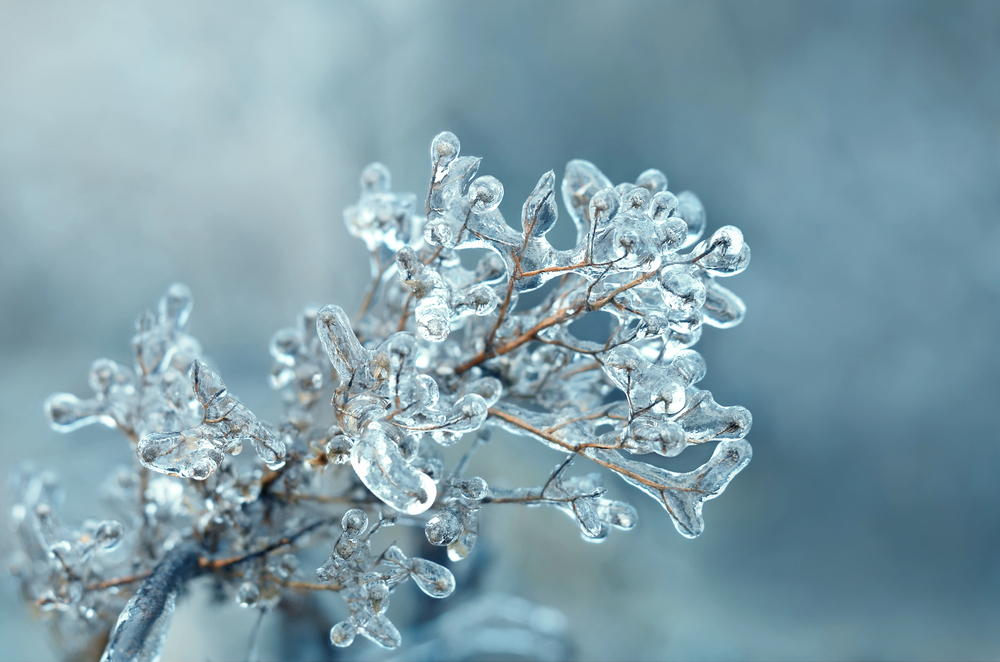
Another common winter claim is ice dams, which occur when snow buildup on a roof melts during the day and refreezes overnight. “They’re tricky because they’re difficult to remove safely, and you can’t just shut off the water like with a frozen pipe,” he says.
The beginning of winter is a great time for homeowners to service their heating systems, shut off and drain outdoor faucets, irrigation lines and hoses, check weather stripping and insulation, clean the gutters to prevent ice dams, and remove tree limbs that might threaten the home, Leeds says. Closer to spring, homeowners should test sump pumps and French drains in anticipation of groundwater thaws.
Agents should encourage clients to proactively review their policy and understand coverage nuances. “Take an ice dam scenario that causes damage to the interior of the home, like carpets, floors and walls,” he says. “Most HO3 policies are open peril and will cover that damage. But personal property is named peril, so if a couch is damaged by water from an ice dam, that might not be covered.”
Homeowners should also prepare now for a winter weather emergency. “A 72-hour bug-out bag is a great thing to prepare as a family: bottled water, nonperishable food, flashlights with batteries, portable phone chargers, extra blankets and warm clothing, and medications,” Leeds says.
AnneMarie McPherson Spears is IA news editor.
Agency Management Solutions
Insurance Markets
This month’s issue

The March issue is out now!