US Flood Risk: Lessons from a Heavy Cat Year
By: Matt Reid
The insurance industry breathed a collective sigh of relief with the close of the 2017 hurricane season. But as losses continue to mount and claims start to get paid, it’s time for a period of reflection on the country’s inadequate understanding of flood risk.
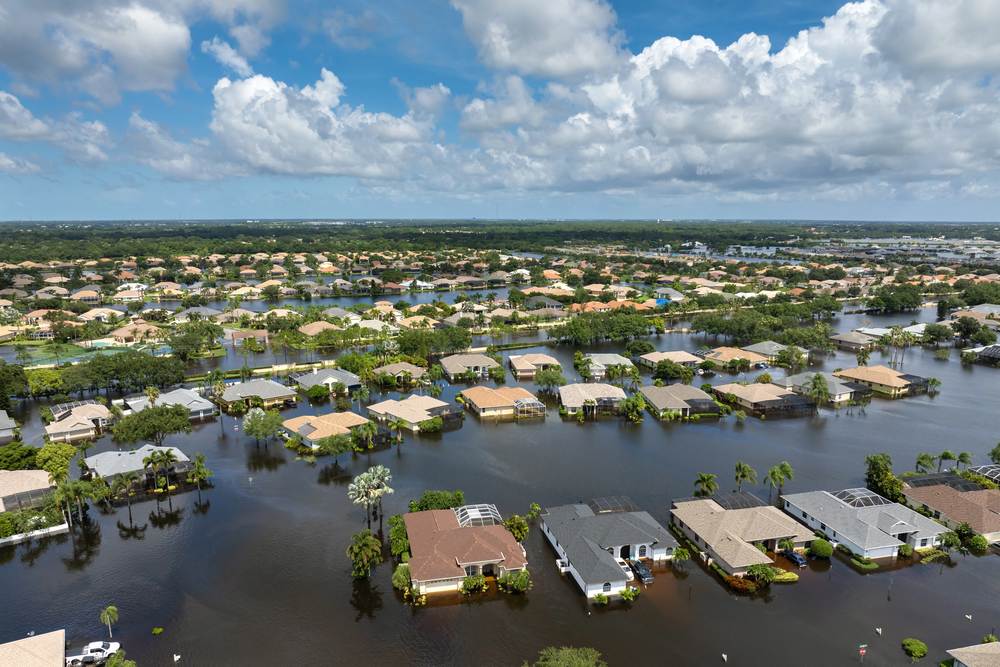
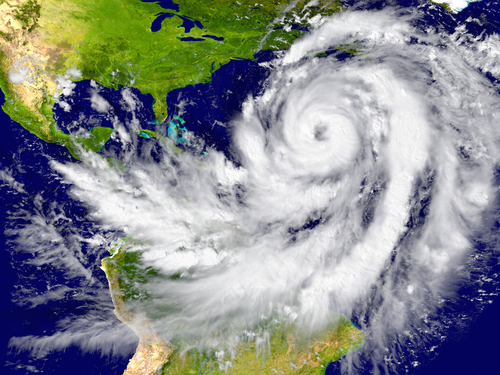
To date, the insurance industry has been too focused on understanding hurricanes and storm surge. The devastation of Hurricanes Harvey and Irma showed us we need to also come to terms with the complexities of river and surface water flood—and that preparation and awareness are key.
That requires developing a clear, up-to-date, science-based understanding of the underlying risk. To avoid costly future mistakes, the industry must heed three key lessons learned from Harvey and Irma:
1) Flood is the least understood natural peril in the U.S. Although flood is the most prevalent and frequently occurring natural peril in the country and affects every state in the union, it is poorly understood.
Consider the FEMA database, which is the source of data used by the NFIP. Due to a lack of funding and clear mandates on requirements, the database is inconsistent, lacking in detail and often out of date. Some regions have no data, while others rely on data from the 1960s. Plus, the data lacks detail on flood depth and return periods—two crucial metrics for forecasting losses.
The result is a false sense of security in some high-risk areas and overstated risks in others. The private market has access to higher-quality flood hazard data that both the NFIP and the private market should utilize more widely.
2) Flood risk is complex. Flood is far more complex than other perils, mainly because of the impact of local terrain features and geography. To date, the U.S. insurance market has focused on understanding hurricanes and storm surge, while overlooking different types of flooding—a problem dramatically exposed by Harvey in particular.
During Harvey, surface water flood was a key issue. As a result of the sheer volume of rain, estimated at tens of billions of gallons, flooding impacted many areas that had never before seen river flooding—a type of flooding which many people think of as the sole source of flooding.
In addition, flood risk should be evaluated on a property-by-property basis due to the localized impact of terrain and other features. The NFIP currently uses an average risk assessment which does not reflect the true differences in flood risk at the individual property level.
In general, flood maps used by insurers should be based on detailed, nuanced data which covers a range of return periods and indicates likely flood depths. Because flood is far more localized than other perils, using data of the highest possible resolution and quality is also important.
3) The NFIP needs fixing. We can’t predict the outcome of the government’s review of the NFIP, but the status quo is no longer viable, and the recent storms will only compound the pressure.
Prior to Harvey and Irma, the NFIP was $25 billion in debt and operating under a model that is no longer fit for purpose. Harvey and Irma will be significant events for the NFIP, and despite the recent increase in borrowing capacity, the net result is that the NFIP will fall further into debt.
What has gone wrong? Part of the problem stems from pricing restrictions, which mean roughly one in five policyholders are charged rates that do not fully reflect their actual exposure. But that’s only half the story. Lack of adequate data has also been a significant hurdle.
Harvey and Irma will shine a spotlight on the reauthorization of the NFIP. At JBA Risk Management, we expect the market to open to greater private participation in the near future. Even if a moderate percentage of the market is transferred to private carriers, this could be one of the biggest growth markets for property casualty insurers in years.
Matt Reid is a global leader in flood risk management. Previously a vice president for RMS, Matt is now managing director of JBA Risk Management USA.
This month’s issue
The April issue is out now!